Background Research

Northenden’s Past

I felt it was important to gather a variety of information surrounding the history and heritage of the villiage, I decided to break my research up into a series of bullet points for clear understandable reference. I will use this research as the contextual basis of my concept on northenden’s identity while drawing visual inspiration from my primary research.
history.jpg

History Research

Northenden has always been known as part of the County, Cheshire. Northenden was formerly a rural township and is now a suburban electoral ward of the Manchester city, (Northwest) UK, its population reached over 14,000 in 2011. The area is one of several districts in Wythenshawe, bound between districts of Didsbury to north Gately to the east and the remaining of Wythenshawe to the west and south. It lies on the south side of both the River Mersey and M60 Motorway, 5.2 miles south of Manchester’s city centre.

  • Northenden was able to remain untouched by the industrial revolution during the nineteenth century, its location was distant enough from Manchester to avoid no more industrialisation other than a cottage industry in flax spinning.
  • In 1931, Northenden became a district of Manchester developing into an appealing riverside township for Manchester’s wealthier managers, tradesmen and clerks.
  • During the 1980’s Northenden became part of the Mersey Valley Park, the river banks shape and form areas of the Mersey Valley Trail.
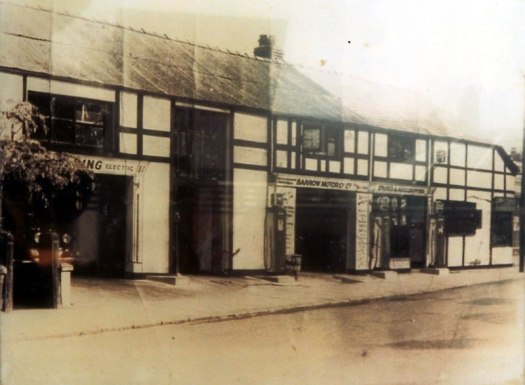
  • Architectural development through Victorian and Edwardian tradition provides the village with much of its historic significance and character.
    015.jpg

  • Between 1866 and 1964, Northenden railway station served between Sharston road and Longley lane while passenger trains from Stockport, Warrington and Liverpool provided stops here.
  • Northenden, while known as a village was submerged in suburban housing during the first half of 20th century this was due to the large development of Wythenshawe’s housing estate.
  • The centre of Northenden was formerly Church Road, soon developing a brand new range of services and a shopping centre along palatine Road to supply the new estate with small businesses, schools, hotels, service industries and a cinema, later in the 1960’s opened a larger shopping centre along with various amenities in central Wythenshawe balancing demands of the estate.
  • The cinema during the 1930’s was known as the northern Forum, in the 1960’s the Grade II listed 1935 Art Deco building was transformed into the Jehovah’s Witnesses Assembly Hall that still stands today.
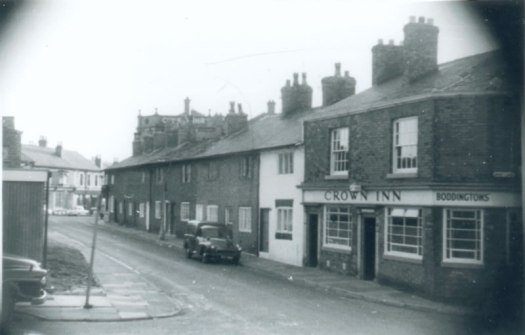
  • Palatine road was a new road during the 20th century, built to connect Northenden and the south of the Mersey to Manchester.
    006

  • Northenden was known as a rural village even during the 20th century, the mass of market gardens supplied Manchester with fresh groceries while clerks and managers were able to occupy the quality semi-detached homes for a flexible commute to the city.
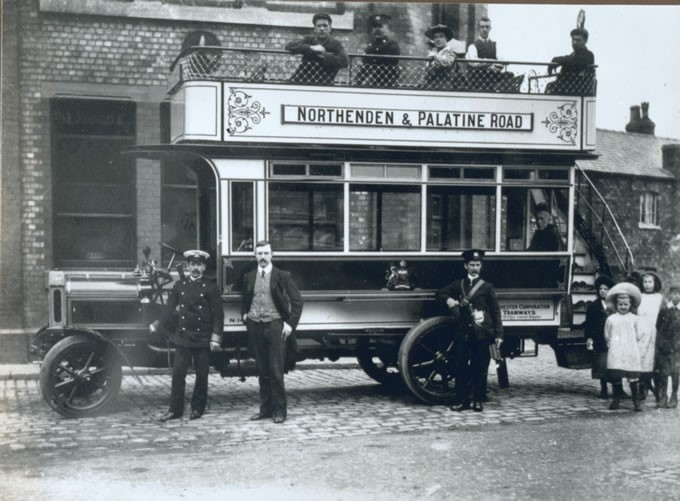
  • During the 20th century Northenden, people travelled via tram and horse-drawn bus
Primary Research: Northenden Village and Mersey River

Trip to Northenden Village and the river mersery 11.10.18

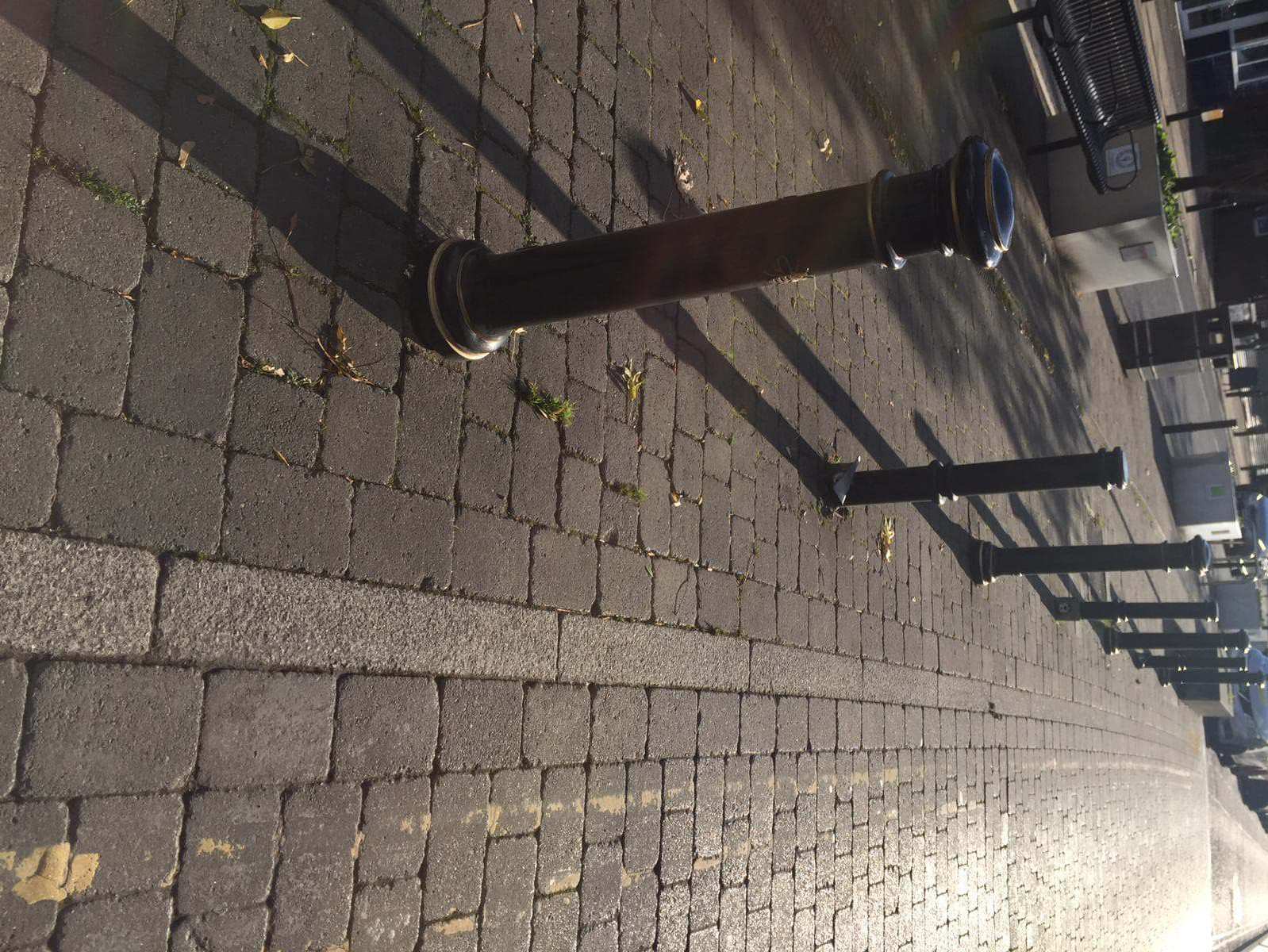
I visited Northenden Village to gain primary contextual research through drawing and photography; while I was there I made sure to take in all characteristics and qualities like street lamps, trees, spacious surrounding as well as emotional aspects of the village such as locals catching up and the sound birds and dog walkers by the river, I felt these properties were just as important as the features of the buildings and roads.

I have taken over 100 photos of the village and river to refer to throughout the development of my project – these are a few from my trip.

Primary Drawings 11/10/18

Primary Artist Research

Liverpool Trip 18.10.18

My trip to liverpool was crucial in locating in depth primary artist research, while I was there I visited the Bluecoat, Castle Fine art and Walker Art Gallery noting artists and drawing interpretations of exhibiting works. I attended the Bluecoat gallery to retrieve primary research from the exhibitions: Time moves quickly, land sand strand and the 4th floor exhibition by Ottoknapp in particular while exploring additional work for further visual inspiration.


Bluecoat –

Exhibiting: Land Sand Strand by Suki Seokyeong Kang


I visited Kang’s exhbiting works to draw inspiration for my live brief with Northenden. I felt the builds, form and conceptual structures within this installation explore place and similar concepts I am exploring in my work.

Ryan Gander: Time Moves Quckily


It was important to me to see this exhibition for my contextual studies, this is because Gander’s major project responds important concepts centred around artistic activity and self direced play that I feel I can draw from for my creative workshop.

Silke Ottoknapp


I wanted to see this exhibition as it displays multiple interesting and relevant aspects to my work, I am intrigued by the mediums, scale and figures. I feel the visuals and story of the panels can inspire both my contextual studies and live brief as they both draw on identity.

Castle Fine Art

Featuring – Bob Dylan


I was pleased to see Dylans work at castle fine art, I intend on adopting similar qualities in the approach of my live brief: exploring place through imagination and character this can be done through colour, lines and perspective.

Billy Connelly


I felt inspired by Connolly’s work, I feel we can almost gain an insight into his mind through his simplistic yet highly detailed drawings. I feel Connollys work can provide me with inspiration around my contextual studies and automatism.

Scarlett Raven


I am inspired by Raven’s landscape painting to replicate similar painting styles and approaches in order to develop samples and work corresponding with my live brief and current projects; I will combine similar processes to imagery centred around northendens urban and rural lanscape.

Primary artist research

^ Above is a link to the file presented in my contextual studies folder.