What is psychoanalysis?

I thought it would be helpful to further educate myself on psychoanalysis, I am interested in finding out methods of projection and the general practice of a psychoanalyst as their job is to explore the human mind and in that their identity. As we know psychoanalysis was founded by Freud (1856-1939) who believed the cure of mental health lay between the conscious and unconscious though these are still just theories.

Image result for art therapy

PSYCHOANALYSIS PRACTICE

Some important common presumptions within psychoanalytic psychology are:

  • Psychoanalysts view psychological problems as fixed in the unconscious mind
  • Issues are manifested through dismissed disturbances
  • Issues are typically traced back to unresolved trauma and repressed issues
  • Treatment aims to introduce repressed issues to
  •  Consciousness in the hopes of addressing and confronting the problem directly


Throughout my research I have found therapists possess a variety of methods for psychoanalysis, psychologists such as Freud would talk to their patients about their dreams and child hood memories while encouraging a range of projective techniques: ink blots, parapraxes, free association, interpretation (including dream analysis), resistance analysis and transference analysis.


Image result for psychoanalysisImportant psychoanalytical processes

  • Roschorch ink blot – ink blots were used to access areas of the unconcious, the shape means nothing to begin with, it is the viewer that makes sense of the shape and in that psychologists can interpret the state of mind of the patient.


  • Freudian Slip – also known as slips of the tongue, this refers to unconscious thoughts and feelings that are accidently revealed when we didn’t mean to say something – according to freud there are no accidents and these are just an insight into our unconcious mind.


  • Free Association – this is a psychodynamic technique in which a the patient is required to impulsively speak their mind, this can involve a therapist reading a list of words while the patient rapidly responds with the first word that comes to mind.
  • Dream Analysis – Freud: “the royal road to the unconscious.

Freud believed the conscious mind is like a censor, and when we sleep repressed emotions re-surface. I am inspired to exercise these methods within my upcoming workshop with the yr 1 students, I feel by combining a range of these techniques along with the research from my interviews, I’m enabled to conduct a highly beneficial class that will provide my work with great primary research and in depth visual inspiration.


Odd Art Performance – 6/11/18

Today I experienced a performance by OddArts, this organisation performs activites, workshops and plays to settle societal and social conflicts.

The session began by discussing up-bringing in relation to identity, after the speaker called a statement, we would either stand left, or right to signify our views; some were aksed why they were stood there and why they feel that way – I felt this was a great experience for my work as I could gain insight into peoples understanding of themselves in relation to influences and up-bringing and how this affects societal views and personality later in life.

Image result for oddarts
I was quite vocal in the discussion, I added words such as identity and influence to see how this would drive the conversation though remained reserved enough to listen to others input – most people in the group didn’t believe upbringing and early influence effect personality – I disagree. I didn’t think much about how others affect our sense of self but I feel this concept is important in the make up of identity and in that it is relevant to my work.

Methods of Primary Research

I have accumulated a wide range of research thus far for my work; I have explored art therapy and theory, outsider arts, surrealism, and automatism. To further this research I feel it is important to pursue primary research sources, this is to gain indepth contextual material. I would like to further understand the practice of art therapy and psychoanalysis in association with arts and identity, therefore I have arranged a variety of helpful research activities.


Planning Research


Image result for automatism
Primary research – Automatism

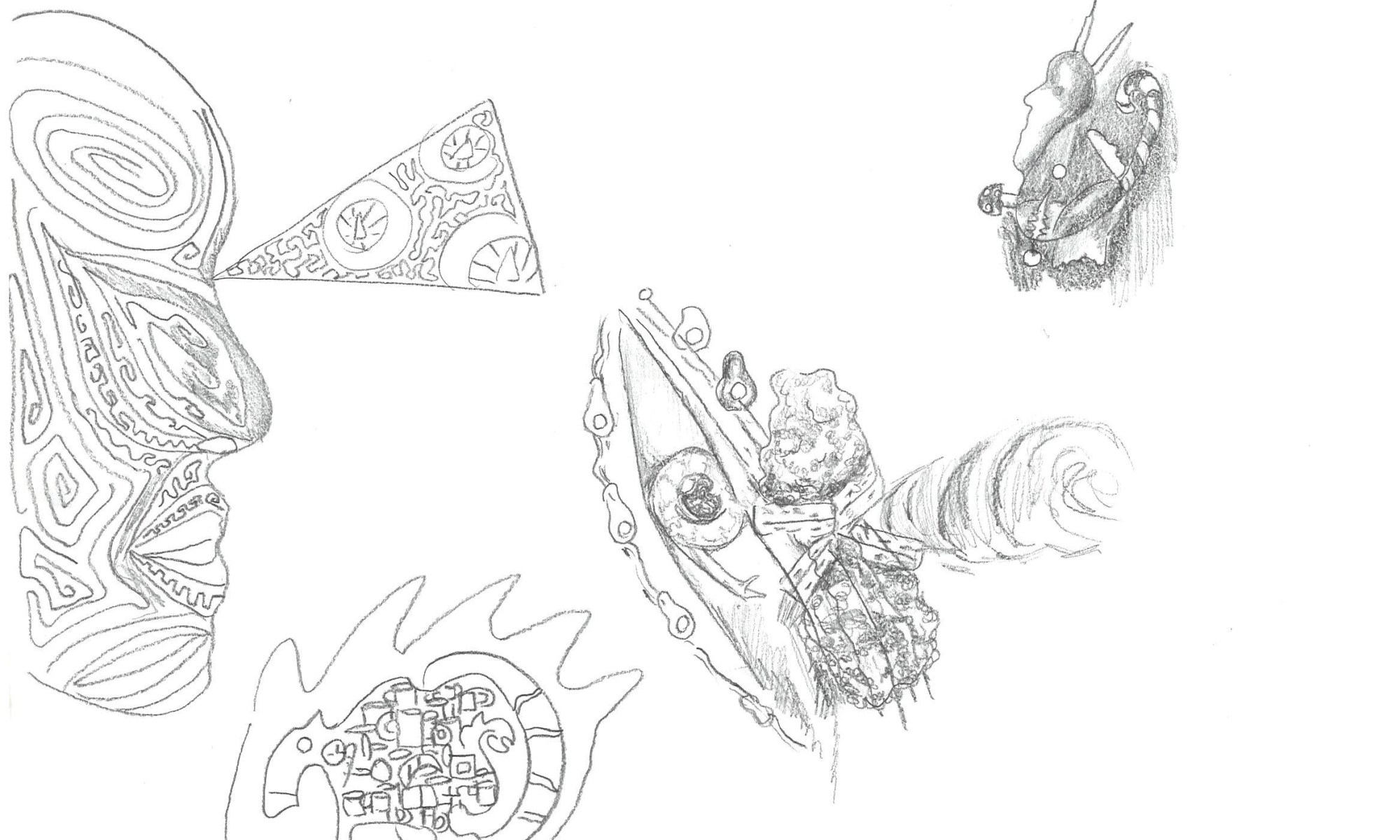
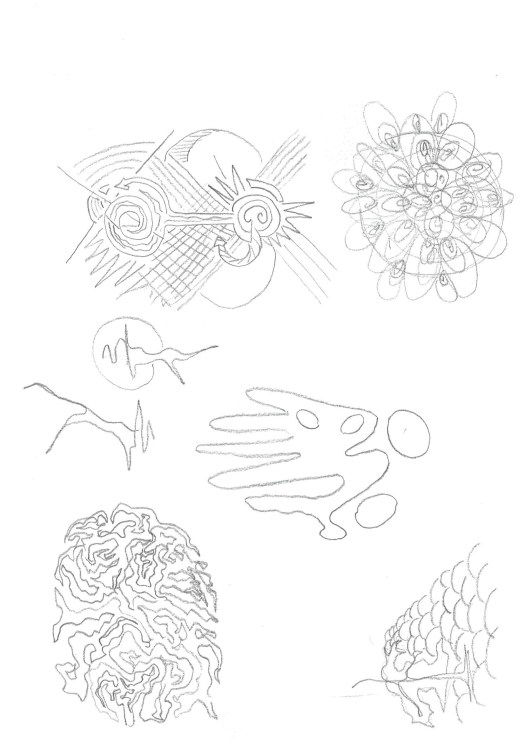
I have dedicated a journal to the practice of automatist response work, I will create a body of drawings, paintings, collage and writing to begin the exploration of the mind.


DEC_14-Finding-the-Words-3-poets
Fokkina Mcdonnel https://acaciapublications.co.uk/

Interview with Fokkina McDonnel – 24/11/18

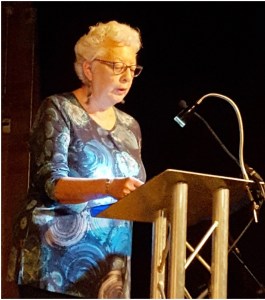
I have an upcoming interview with Fokkina McDonnell, award winning poet, published writer and former psychoanalyst – I will be asking her a variety of questions about her role as a psychoanalyst as well as collecting her views on my art theory and arts role in supporting mental health.


Image result for paint jars art
Art Therapy Session with Yr 1 Art Students 29/11/18

I will be directing art therapy sessions with a group of art students exercising their creativity through automatist processes and free self directed play. I will be using the research from my interviews to further mold the design of my class, applying key points and features found within relative research.


CARA
Alison Alborz

Meeting with Dr Alison M Alborz 01/12/18

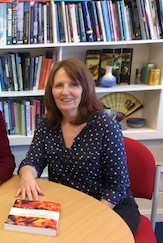
Talking with Dr Alison M Alborz, a Doctor in Philosophy and a lecturer at the Manchester University is crucial for my research. I feel speaking with Alison about my themes and theory is essential as she has studied each topic of my work including philosophy, psychology and art. Therefore her input will give my work great insight and direction.


Image result for carl jung symbols
Visual Questionnaire 10/12/18

Using the books: Man and his Symbols by Carl Jung and Languages of Art by Nelson Goodman, I will produce a visual questionnaire exploring a similar practice to Roschach’s inkblot test and personality projection methods, this will gather a variety of individual response’s to direct my work. This questionnaire will consist of inputs and outputs for example they will explain what the image looks like but then they must also draw the feeling for abstract exploration of the self – these can be compared and used to celebrate identity and in itself develop visual stimulus for later inspiration. I may also briefly refer to these books and general symbolism theory to further understand the results.


Automatism – Primary Research

Surrealist automatism is an artistic process in which the artist burys concious control over the making process, activating the unconscious mind.

automatist 1
Personal practice
I have been exercising automatic drawing on lose pieces of paper while I find myself in a relaxed almost lethargic state before I go to bed, I have just got a a5 book to begin this routine – I will procude as many drawings as I fancy if not none at all every night before I go to bed and every morning when I wake up . I will be attempting to work from this book throughout my work exploring mental imagery and subconcious self through visuals, this will also respond to primary research and can be used as the visuals in a survey or questionnaire.


Primary Artist Research

Liverpool Trip 18.10.18

My trip to liverpool was crucial in locating in depth primary artist research, while I was there I visited the Bluecoat, Castle Fine art and Walker Art Gallery noting artists and drawing interpretations of exhibiting works. I attended the Bluecoat gallery to retrieve primary research from the exhibitions: Time moves quickly, land sand strand and the 4th floor exhibition by Ottoknapp in particular while exploring additional work for further visual inspiration.


Bluecoat –

Exhibiting: Land Sand Strand by Suki Seokyeong Kang


I visited Kang’s exhbiting works to draw inspiration for my live brief with Northenden. I felt the builds, form and conceptual structures within this installation explore place and similar concepts I am exploring in my work.

Ryan Gander: Time Moves Quckily


It was important to me to see this exhibition for my contextual studies, this is because Gander’s major project responds important concepts centred around artistic activity and self direced play that I feel I can draw from for my creative workshop.

Silke Ottoknapp


I wanted to see this exhibition as it displays multiple interesting and relevant aspects to my work, I am intrigued by the mediums, scale and figures. I feel the visuals and story of the panels can inspire both my contextual studies and live brief as they both draw on identity.

Castle Fine Art

Featuring – Bob Dylan


I was pleased to see Dylans work at castle fine art, I intend on adopting similar qualities in the approach of my live brief: exploring place through imagination and character this can be done through colour, lines and perspective.

Billy Connelly


I felt inspired by Connolly’s work, I feel we can almost gain an insight into his mind through his simplistic yet highly detailed drawings. I feel Connollys work can provide me with inspiration around my contextual studies and automatism.

Scarlett Raven


I am inspired by Raven’s landscape painting to replicate similar painting styles and approaches in order to develop samples and work corresponding with my live brief and current projects; I will combine similar processes to imagery centred around northendens urban and rural lanscape.

Primary artist research

^ Above is a link to the file presented in my contextual studies folder.