What is psychoanalysis?

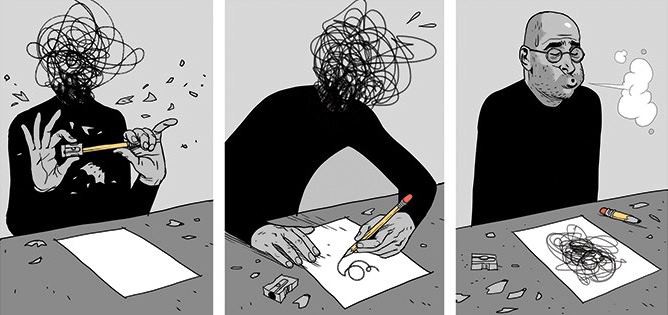
I thought it would be helpful to further educate myself on psychoanalysis, I am interested in finding out methods of projection and the general practice of a psychoanalyst as their job is to explore the human mind and in that their identity. As we know psychoanalysis was founded by Freud (1856-1939) who believed the cure of mental health lay between the conscious and unconscious though these are still just theories.

Image result for art therapy

PSYCHOANALYSIS PRACTICE

Some important common presumptions within psychoanalytic psychology are:

  • Psychoanalysts view psychological problems as fixed in the unconscious mind
  • Issues are manifested through dismissed disturbances
  • Issues are typically traced back to unresolved trauma and repressed issues
  • Treatment aims to introduce repressed issues to
  •  Consciousness in the hopes of addressing and confronting the problem directly


Throughout my research I have found therapists possess a variety of methods for psychoanalysis, psychologists such as Freud would talk to their patients about their dreams and child hood memories while encouraging a range of projective techniques: ink blots, parapraxes, free association, interpretation (including dream analysis), resistance analysis and transference analysis.


Image result for psychoanalysisImportant psychoanalytical processes

  • Roschorch ink blot – ink blots were used to access areas of the unconcious, the shape means nothing to begin with, it is the viewer that makes sense of the shape and in that psychologists can interpret the state of mind of the patient.


  • Freudian Slip – also known as slips of the tongue, this refers to unconscious thoughts and feelings that are accidently revealed when we didn’t mean to say something – according to freud there are no accidents and these are just an insight into our unconcious mind.


  • Free Association – this is a psychodynamic technique in which a the patient is required to impulsively speak their mind, this can involve a therapist reading a list of words while the patient rapidly responds with the first word that comes to mind.
  • Dream Analysis – Freud: “the royal road to the unconscious.

Freud believed the conscious mind is like a censor, and when we sleep repressed emotions re-surface. I am inspired to exercise these methods within my upcoming workshop with the yr 1 students, I feel by combining a range of these techniques along with the research from my interviews, I’m enabled to conduct a highly beneficial class that will provide my work with great primary research and in depth visual inspiration.

Presentation Feedback 15/11/18

I presented a display of samples along with a my project files, sketchbook and visual sheets.


During my presentation we discussed the journey of my project such as development and samples for final outcomes e.g. wall hanging, photo album, 3d thread sculpture. I was happy to provide a range of processes and different styles to stimulate my audience. I used the visuals as a platform to explain my ideas.


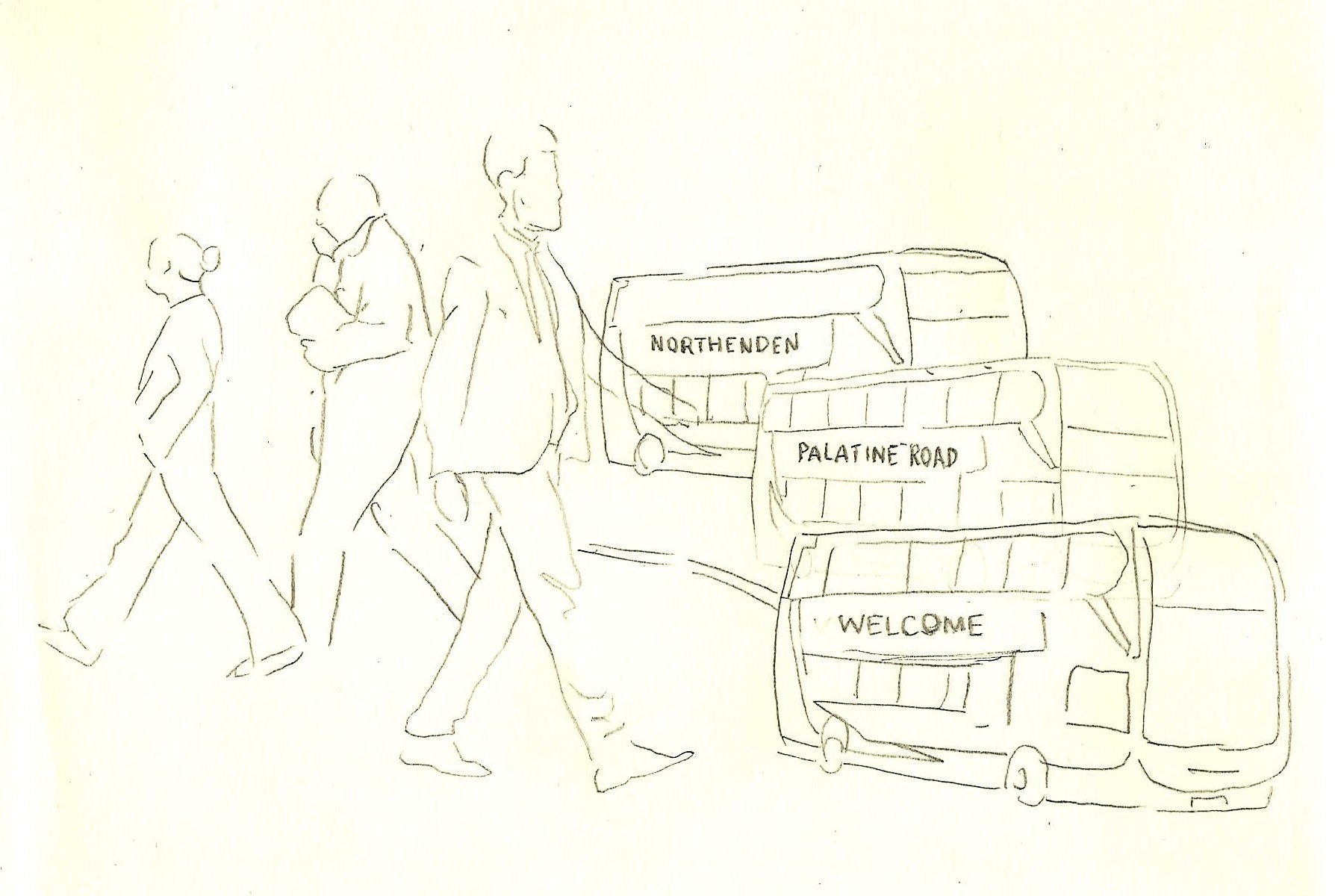
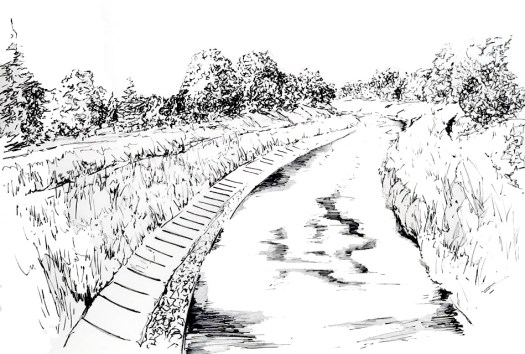
My illustrated drawings were selected as my final process for development, they said they feel my drawings held direct appreciation and acknowledgment of Northenden Village. I will use this feedback to develop my final piece.

We spoke about developing:

  • Photo Album – illustrated gallery
  • Post Cards booklet

River Mersey


I’m pleased with the feedback as at this point, my ideas are flexible and can transfer well. Next, I’ll be developing my series of illustrations and research pricing details of my final outcome.

Final Samples

Odd Art Performance – 6/11/18

Today I experienced a performance by OddArts, this organisation performs activites, workshops and plays to settle societal and social conflicts.

The session began by discussing up-bringing in relation to identity, after the speaker called a statement, we would either stand left, or right to signify our views; some were aksed why they were stood there and why they feel that way – I felt this was a great experience for my work as I could gain insight into peoples understanding of themselves in relation to influences and up-bringing and how this affects societal views and personality later in life.

Image result for oddarts
I was quite vocal in the discussion, I added words such as identity and influence to see how this would drive the conversation though remained reserved enough to listen to others input – most people in the group didn’t believe upbringing and early influence effect personality – I disagree. I didn’t think much about how others affect our sense of self but I feel this concept is important in the make up of identity and in that it is relevant to my work.

Developing Samples

I felt it was crucial to develop samples for my presentation to display my work in a more so proffessional manor. I want to exhibit a variety of my development through a clean aesthetic and presentation.
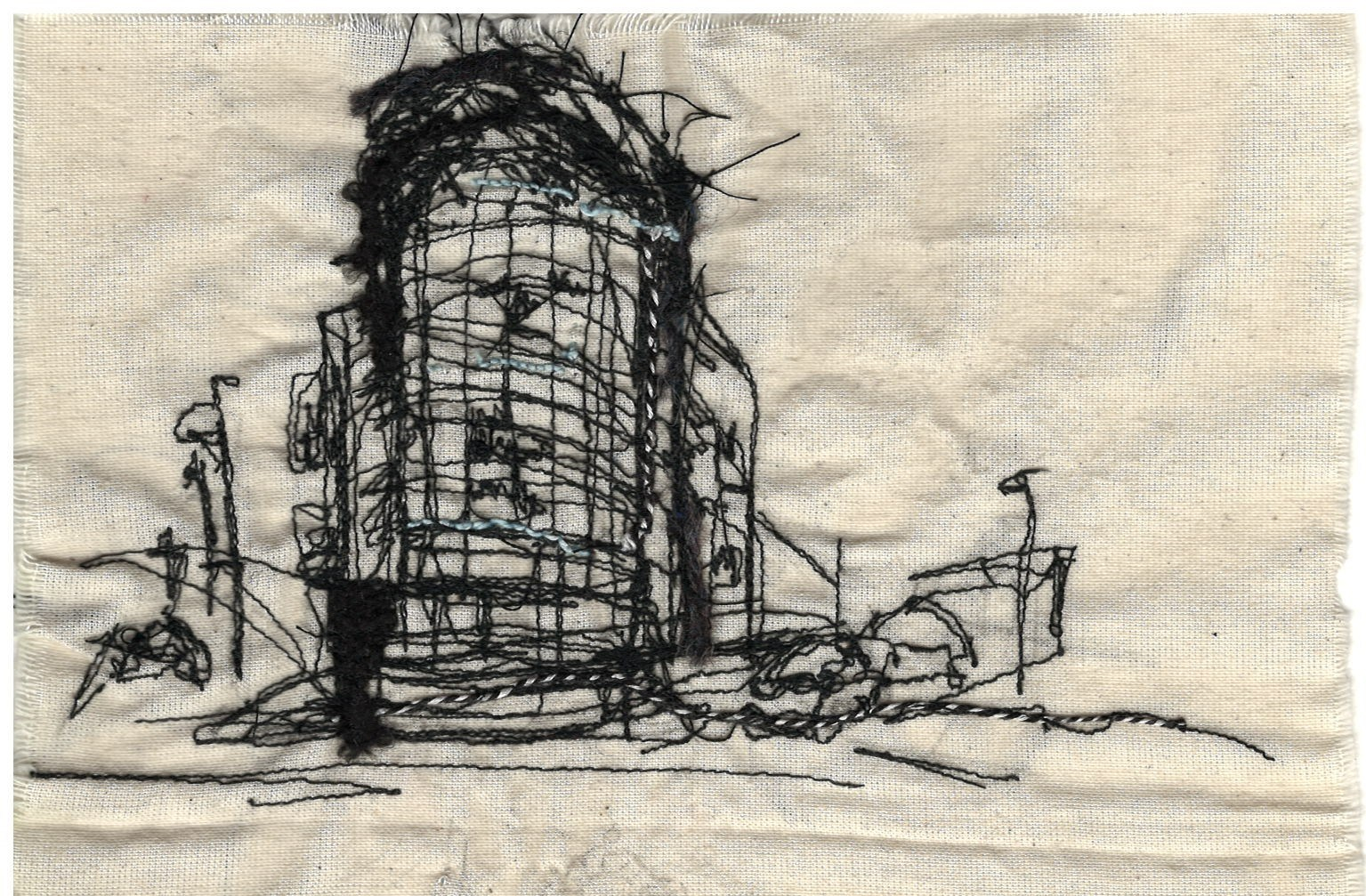
Thread Drawing samples

I was pleased with my first thread drawing however I decided to produce a finalised sample for presentation. I decided to use imagery from my primary research to refer to aspects of the village.


Process –

I used a similar mdf board to produce this sample, I coated this in gold spray paint to add a sophisticated finish to the piece while also ensuring a vibrant background for my drawings. I then drew a brief outline of my image and began to hammer in 20mm pins along the lines.


I added a variety of threads and colours to explore different outcomes as well as presenting two very different techniques and effects to express the potential of this particular process.


Painting

I created a painting in response to the urban and rural landscape of Northenden, joining tones and textures of the two for abstract exploration.


Sewing into print

I decided to use a piece of fabric soak in ink and white spirit to mimic tones of time, using yellow ink, I lightly printed my lino cut and used a combination of black and white thread to introduce detail to the sample. I did this to play with style and depth.