I have been interested in understanding Morita therapy and its history, the concept of Morita psychology came up in conversation and was recommended to me for the development of my work. To understand the nature of its practice I have been researching its background and principles through the book “Morita Therapy” by Dr Shoma Morita and interesting journals such as:
- “Morita therapy for depression and anxiety (Morita Trial): study protocol for a pilot randomised controlled trial” by Holly Victoria Rose Sugg, David A. Richards and Julia Frost
-
“Morita therapy: Its basic features and cognitive intervention for anxiety treatment” by Ishu Ishiyama
-
“Morita therapy for depression and anxiety (Morita Trial): study protocol for a pilot randomised controlled trial” by Holly Victoria Rose Sugg, David A. Richards and Julia Frost
Morita therapy and psychology
Morita therapy was developed by psychiatrist Shoma Morita (1874–1938), a book embodying mindful psychology and approach influenced by of Zen Buddhism. This treatment was established to sustain humanistic approach to mental conditions such as: depression, drug addiction, anxiety and stress just to name a few, though initially the method was expanded to treat a type of anxiety neurosis called shinkeishitsu. The psychology of Morita understood the symptoms of depression and anxiety as part of the human experience. The approach to Morita therapy helped patients understand and accept undesired emotions are inevitable symptoms of human existence. With this understanding and principle, Morita developed his theory into a four stage progressive method; an intense course that confronts the emotional ability to cope while improving the ability to function along-side this understanding. Morita therapy is a therapeutic response-oriented therapy that is widely practiced in Japan. The result of this practice re-orientates the individual in the natural world and restores their ability to nurture the capacity for wellness and healthy wellbeing. I am intrigued by the nature of this approach, believing that self-centredness leads to suffering, and that the only solution is to become more in tune and in touch with the outside world liberating the individual from themselves in highlighting the true nature of being.
The stages of Morita Therapy:
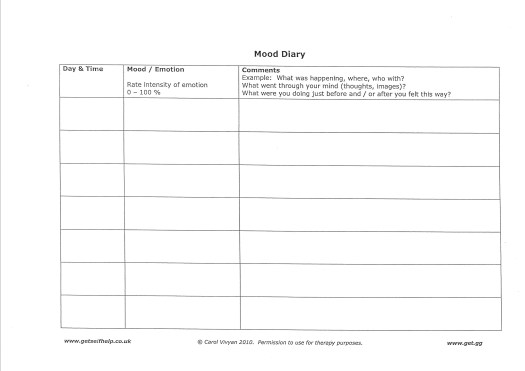
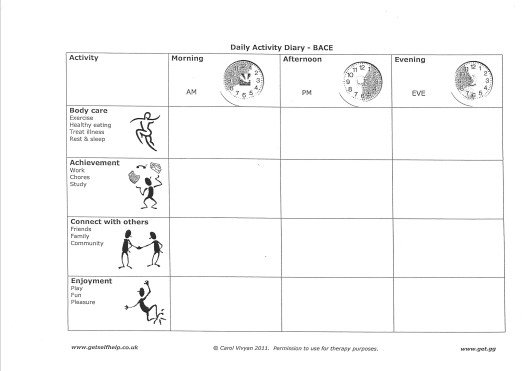
The first stage of Morita therapy traditionally begins with a period of isolation and rest, here the patient is confronted by their own thoughts and issues; inevitably driving the individual to cope and process their emotions if not allow them to pass. The second and third stage of the process employs occupational therapy: “light work” then “heavy work”. Light work encourages the individual to concentrate on something such as gardening, painting and drawing, this is completed in silence using a journal to note thoughts, a form of self-treatment. During the third stage, heavy work is encouraged, this would involve wood working, writing, or creating art, this is a process resulting in self-satisfaction and outer engagement. In the last stage, patients are reintroduced into society, applying important principles of the first, second and third stages of Morita therapy to integrate new living style. The patient learns to practice a fresh lifestyle of meditation, physical activity, clearer thinking, more ordered living and a managed state of emotional wellbeing.
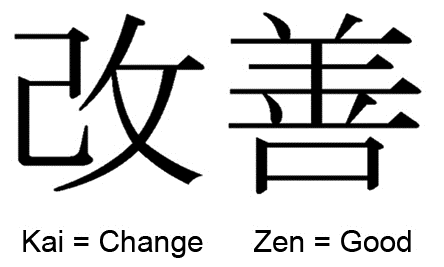
I have decided to embody and encourage the stages of Morita therapy and Kaizen in the development of the magazines purpose, practice and aesthetic; exercises my core intentions and effectivity.








 FAYE TIKIC