I continued developing my ideas and visual work after repsonding to artists and primary research, I decided to further explore paint, print and textiles.
Painted Illustration
I wanted to further explore paint as I only lightly used this in my previous work, I wanted to continue playing around with soft colours and effects attemtping to work up a feeling of nostalgia and time.
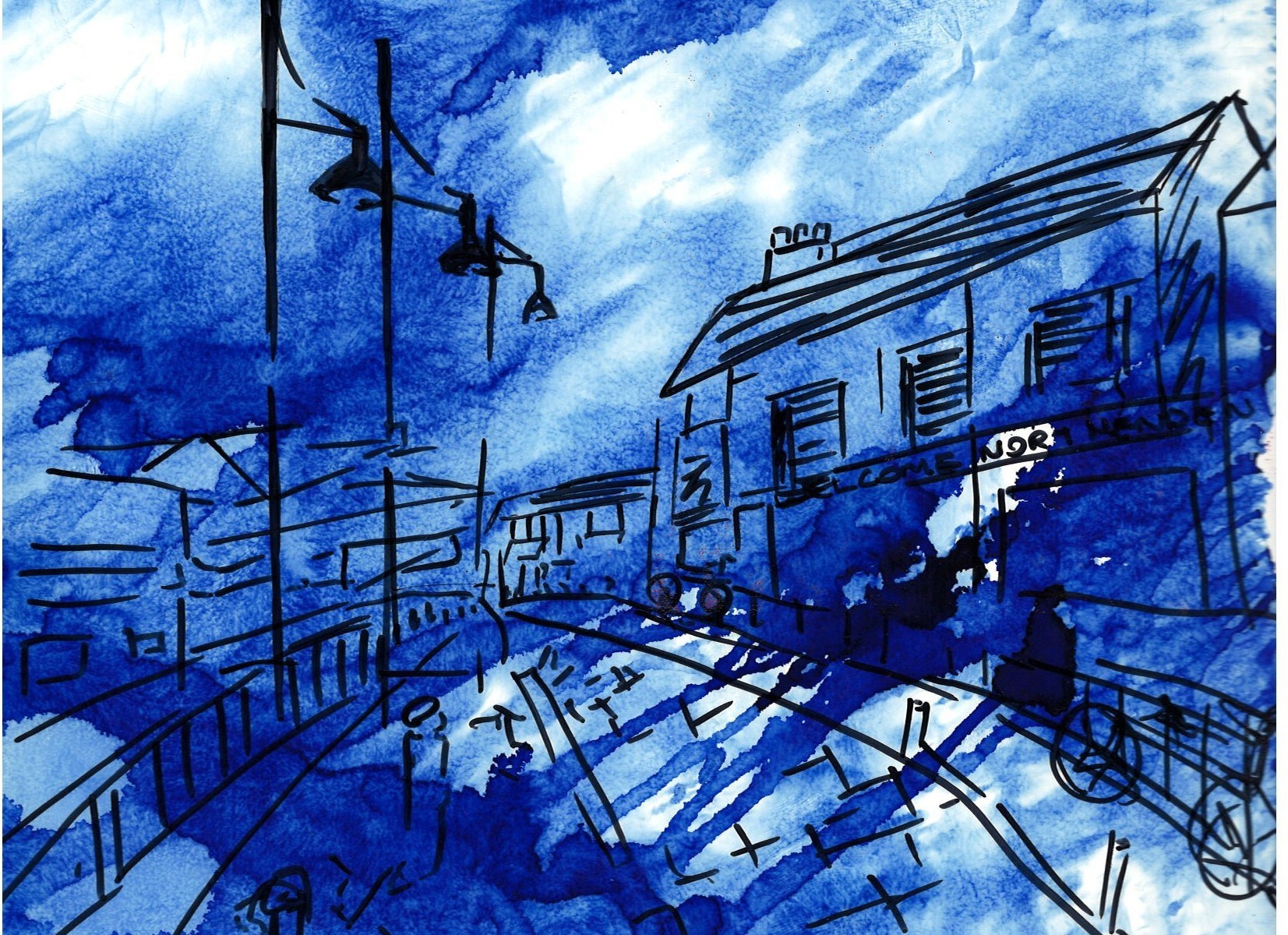
I used brusho and acrylic paint to create this piece, I wanted to evoke a feeling of memory and nostalgia. I have been throughout the village of northenden my whole life, this piece draws from my memory of the village. I imagined this piece – applying my experience in the village to the canvas capturing the gaps in between with my memory with emotional nostalgia from when I travelled through the village as a child. I feel this painting provides this sense of imagination. I do feel next time it would be important to ground a sense of the village through earthy tones and colours from by the river and in the village.
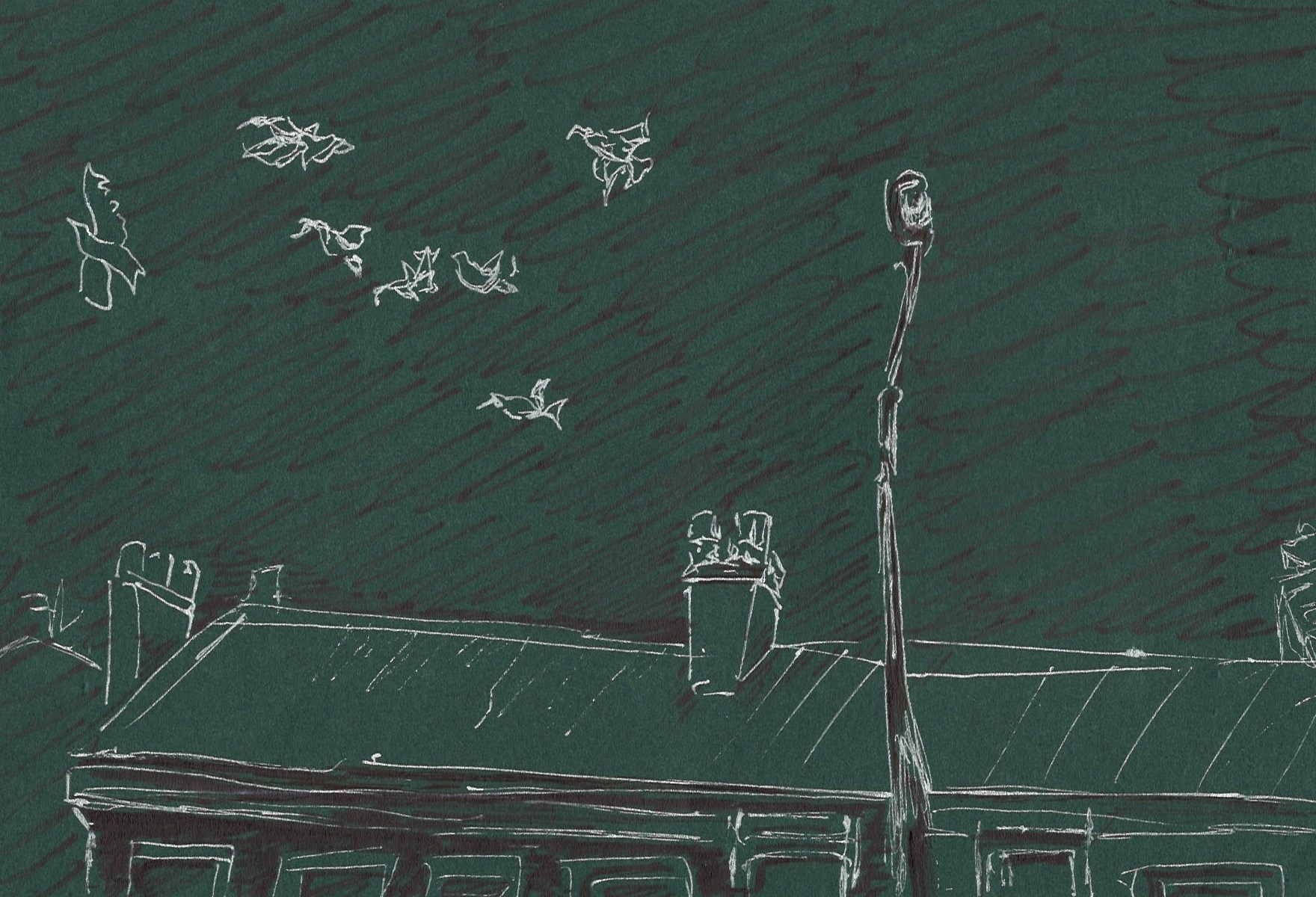
Here I used mixed media, a background of brusho, a fore ground of acrylic paint and a final layer of sharpie. I used these methods to play with depth and style. I am pleased with the feel of this piece as it reminds me of traveling through the suburbs of the village though I do feel that it lacks a solid sense of place.
Printing
I developed a design when I came up with the idea of printing, I wanted to involve ideas of community, travel, transport, life, past and present. I created five designs and selected the one I felt would look the most aesthetically pleasing.
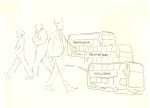
Here I simply used vehicles and perspective to play around with movement, I felt these simple shapes could look great as a print.
In this design I wanted to capture a feel of travel and transportation through Northenden.
I used imagery of people, shops, roads and cars within a symbol of what I think represents community.
Here I was inspired by Maija Louekari work, using repetition to enforce movement, I involved people in motion along with a bus and welcome text to condense core aspects of Northendens dynamic into a design.
I decided to use this design, I used repetition of busses and people along with important in theme text, I feel this piece emodies a clean design along with significant contextual features.
I layered my prints in different colours, two in blue, red and white and another in blue, red and yellow. I am pleased with these outcomes as they play around with times and seasons though always remaining is the hussle and bustle of life day or night.
I used an intaglio process through lino cut carving my outlines into the piece. I had some problems printing the text as the font was very small however next time I would use a larger block or a smaller tool.
I used colours in my prints that could refer to time of day, darks and lights to explore life throughout the seasons.
Textiles
I decided to further my textiles development by combining print and stitch, sewing detail and outlines along the printed design.
I feel the sample is good development, I like the idea of print and stitch though I feel next time I would like to emit emotive colours and artistic sophistication.
I then used a sewing machine to add detail and outlines
I used oil paint to print this piece onto felt, applying a light image of my design
I feel it would be important next time to use artistic values such as contrast and quality fabric and thread.
I created some pieces in response to my artist research, exploring processes, ideas and effects to develop my visual work.
Illustration and Paint –
I was inspired by Nanami Cowdroy here, I wanted to explore soft and hard effects together to unite the emotions of the river and urban landscape of the village.
Here I wanted to use an unusual perspective and material to play around with mundane scenery in an emotive manor.
I wanted to pull through northendens features and important visual make up, I decided to create tiled images to explore the real scenes of Northenden Village.
Here I created a range of rough sketches inspired by Bob Dylan and Simone Ridyard exploring urban landscape through characterise style and individual imagination.
I created these drawings to exlpore a variety of illustration effects inspired by the works of Bob Dylan, Simone Ridyard and Nanami Cowdroy.
Textiles
After creating a body of illustrative response work I wanted to further my ideas by introducing textiles, I used a recognisable building on palatine road in this stitch drawing, embroiding areas and windows to push shape and detail through the sample.
Thread Drawing
I was inspired by Debbie Smyth to further my textiles approach and use thread drawings that come off the surface, I used imagery by the river for this particularly the Heron sculpture at the park.
Wood Etch
I had the idea of pulling the river into my work by using nature, I felt by using a wooden canvas for drawing or etching I could explore the urban lanscape in relation to its close rural paths.
I felt it was important to gather a variety of information surrounding the history and heritage of the villiage, I decided to break my research up into a series of bullet points for clear understandable reference. I will use this research as the contextual basis of my concept on northenden’s identity while drawing visual inspiration from my primary research.
History Research
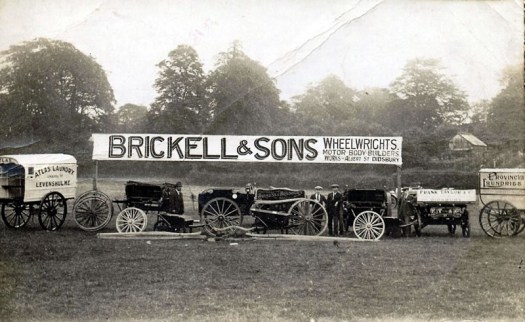
Northenden has always been known as part of the County, Cheshire. Northenden was formerly a rural township and is now a suburban electoral ward of the Manchester city, (Northwest) UK, its population reached over 14,000 in 2011. The area is one of several districts in Wythenshawe, bound between districts of Didsbury to north Gately to the east and the remaining of Wythenshawe to the west and south. It lies on the south side of both the River Mersey and M60 Motorway, 5.2 miles south of Manchester’s city centre.
Northenden was able to remain untouched by the industrial revolution during the nineteenth century, its location was distant enough from Manchester to avoid no more industrialisation other than a cottage industry in flax spinning.
In 1931, Northenden became a district of Manchester developing into an appealing riverside township for Manchester’s wealthier managers, tradesmen and clerks.
During the 1980’s Northenden became part of the Mersey Valley Park, the river banks shape and form areas of the Mersey Valley Trail.
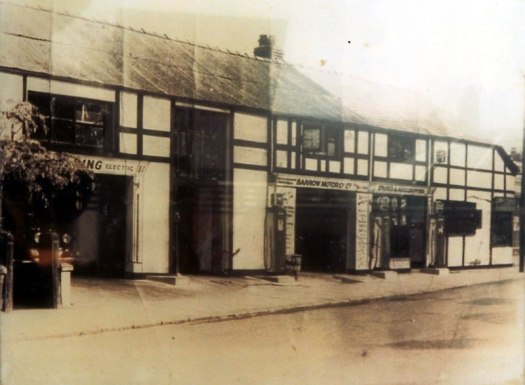
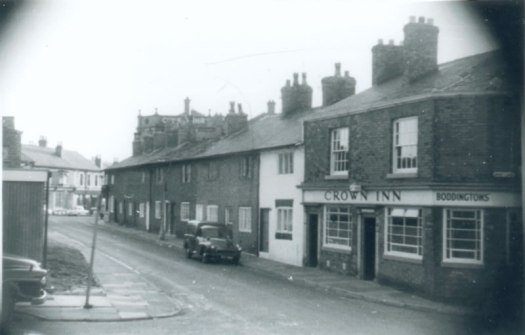
Architectural development through Victorian and Edwardian tradition provides the village with much of its historic significance and character.
Between 1866 and 1964, Northenden railway station served between Sharston road and Longley lane while passenger trains from Stockport, Warrington and Liverpool provided stops here.
Northenden, while known as a village was submerged in suburban housing during the first half of 20th century this was due to the large development of Wythenshawe’s housing estate.
The centre of Northenden was formerly Church Road, soon developing a brand new range of services and a shopping centre along palatine Road to supply the new estate with small businesses, schools, hotels, service industries and a cinema, later in the 1960’s opened a larger shopping centre along with various amenities in central Wythenshawe balancing demands of the estate.
The cinema during the 1930’s was known as the northern Forum, in the 1960’s the Grade II listed 1935 Art Deco building was transformed into the Jehovah’s Witnesses Assembly Hall that still stands today.
Palatine road was a new road during the 20th century, built to connect Northenden and the south of the Mersey to Manchester.
Northenden was known as a rural village even during the 20th century, the mass of market gardens supplied Manchester with fresh groceries while clerks and managers were able to occupy the quality semi-detached homes for a flexible commute to the city.
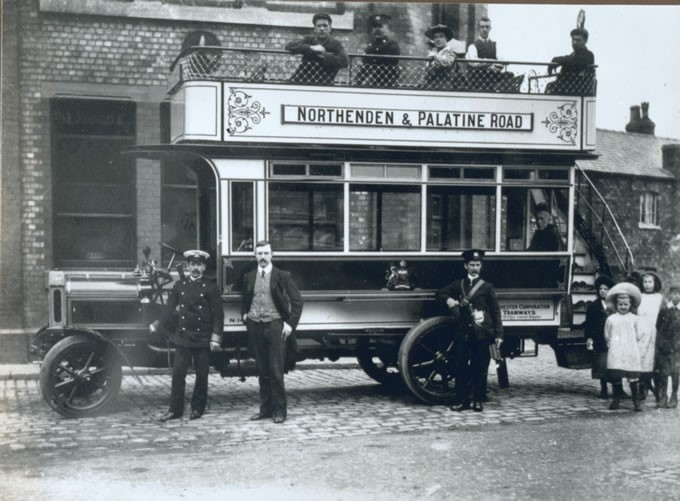
During the 20th century Northenden, people travelled via tram and horse-drawn bus
Trip to Northenden Village and the river mersery 11.10.18
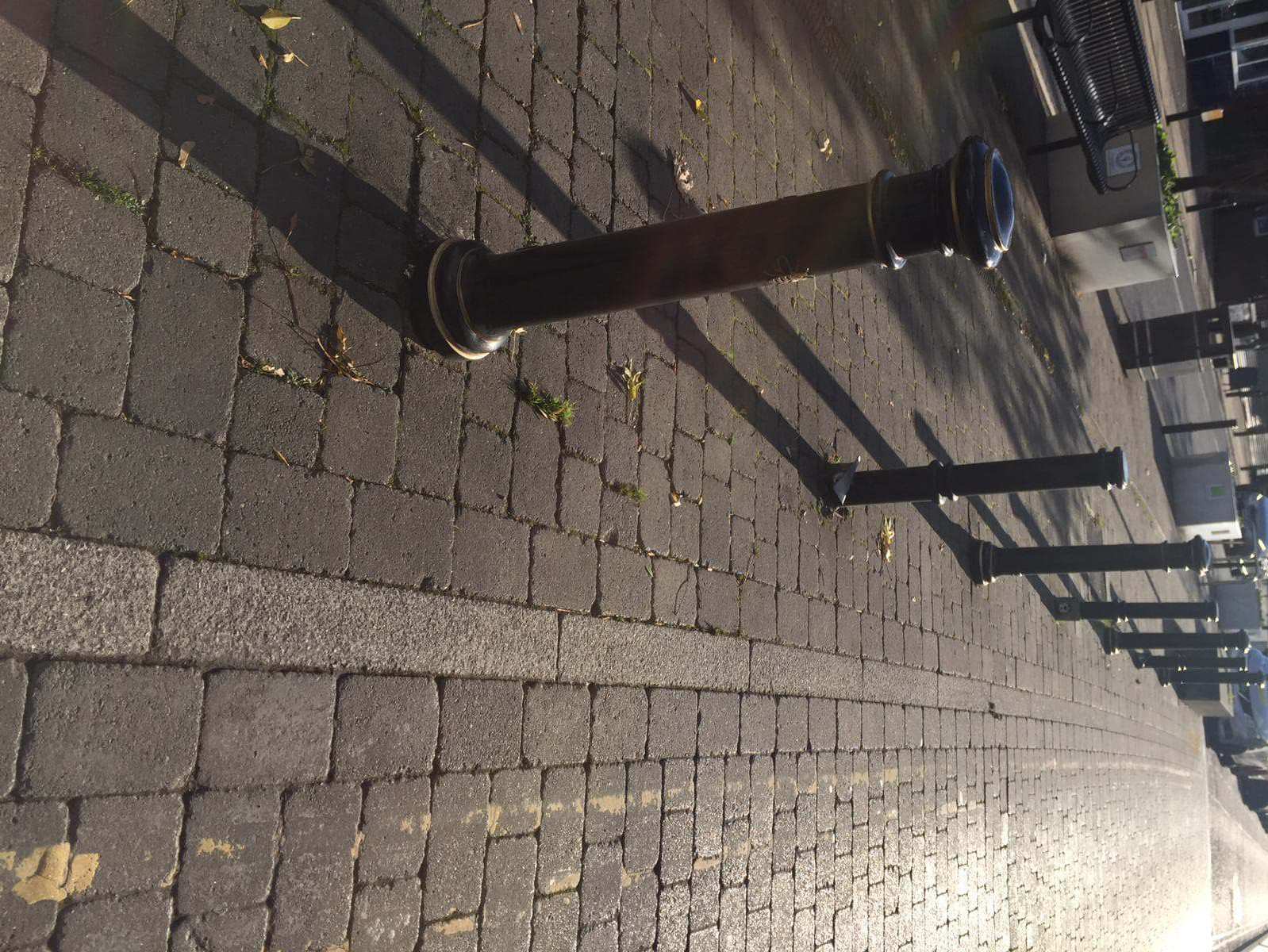
I visited Northenden Village to gain primary contextual research through drawing and photography; while I was there I made sure to take in all characteristics and qualities like street lamps, trees, spacious surrounding as well as emotional aspects of the village such as locals catching up and the sound birds and dog walkers by the river, I felt these properties were just as important as the features of the buildings and roads.
I have taken over 100 photos of the village and river to refer to throughout the development of my project – these are a few from my trip.
Here I created a range of rough sketches inspired by Bob Dylan and Simone Ridyard exploring urban landscape through characterise style and individual imagination.
I wanted to pull through northendens features and important visual make up, I decided to create tiled images to explore the real scenes of Northenden Village.
Here I wanted to use an unusual perspective and material to play around with mundane scenery in an emotive manor.
War Memorial Statue outside of the northenden social club.









 FAYE TIKIC