A synthesis of my art theory and influences
I want to focus my work in relation to my art theory and influences, my core inspirations were philosopers: heleg, danto and goodman forming understanding of aesthetics and judgement in creative expression and the definition of art. My last project explored the meaning of art and set out to investigate what art really is, my conclusion, art is human and art is a feeling, which to me says more about the viewer and observer of a work – this understanding shares vivid links with the concept of art therapy, drawing understanding of an individual through creative language, I feel inspird to further explore my ideas by teaming up with the ideologies of outsider art and occupational therapy. I plan to research the basis of art theory and art therapy to further explore personality and identity in relation to creative expression.
Art Theory – Influences
George Hegel (August 27, 1770 – November 14, 1831)
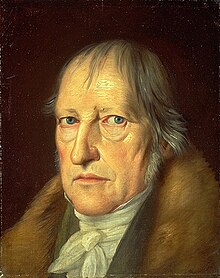 Throughout the development of my art theory, Hegel’s most influential notion was Das Absolute or Absolute Idealism. in Hegel’s terms this referred to complete awareness of the self and world; in order for the aware subject to comprehend is object there in some sense must be identity of thought and being. This concept has played a role in my art theory highlighting importance of the self and thought – this inspired my understanding that as we interact with our environment and art, we can continuously hone in an understanding of our identity and our place in the world which is also the basis of a range of concepts in psychology and psychoanalysis.
Books I have looked at and will read further into:
- Art and the Absolute: A Study of Hegel’s Aesthetics By William Desmond
Immanuel Kant (22 April 1724 – 12 February 1804)
 Kant’s exploration of aesthetics is interesting to me as he believes that a human’s response to the mere appearance of an object without the determinate guidance of what it is, means we are exploring or responding to its aesthetics. Kant argues a variety of ideas such as his belief that the mind forms the foundation for human experience he argues that reason is the source of ethics and morality, he believes aesthetics rise from judgement and that space and time are shaped through human sensibility, that the world as is “in-itself” is independent of humanity’s understanding and concepts of it. I felt inspired by Kant’s belief’s of pleasure, that it is a basic signal of visual comprehension. So aesthetic judgement determines human cognition rather than the object itself, these ideas are fundamental within my work’s core; exploring the aesthetics and judgement as a means of exploring idenity and the human mind.
Books I have looked at and will read further into:
- The Critique of practical reason (1788)
- The Critique pure judgement (1790)
- Critique of Pure Reason (1781)
Nelson Goodman (7 August 1906 – 25 November 1998)
 In Goodman’s Book, Ways of World-making (1978) I felt captivated by his questions: what is art? When is art? And what is good art? I feel particularly engaged with his exploration of symbolic language and concepts on the the power of audience. Goodman see’s everything as a symbol that classifies areas of reality for one’s self, as do such things as mathematical or scientific theories that make up common understanding of our world. Goodman furthered this concept through the notion of exemplification, I felt intrigued by the ideas that symbols can express qualities such as sorrow and movment without literally possessing them and in that expression is not bound to emotion but harnessed from the audience. This was an influence in my art theory as it draws attention to emotion and audience; I feel this could hold potential in exploring my studies exploring individuality and identity, I will use the foundation of Goodman’s importance of symbols in relation to my resreach on art therapy and physchoanalysis.
Books I have looked at and will read further into:
- Languages of Art (1968)
- Ways of worldmaking (1978)
Arthur C. Danto (January 1, 1924 – October 25, 2013)
 Danto is an important influence in my work, I was initially inspired by his creation of the term “Art world” suggesting conceptual artworks are incomprehensible without the input of art communities interpreters, critics, artists and curators, I feel this works well with my theory as it furthers my ideas that art begins and ends with the viewer and is based on the identity of the artworks observer therefore the idea that knowlegde in the field aids the viewers ability to comprehend the work stregthens my statements. I was also interested in Danto’s declaration of the end of art in one of his latest books, this claim was inspired by Hegel’s belief that postmodern art holds no boundies, there is no spirit or special way that art has to be, I feel this applies to my exploration of art as the practice of my project will work of the basis of “no right answer” outcomes. I admired Danto’s belief that to be an artist, means to become a philosopher and I feel this rings true in my art practice.
Books I have looked at and will read further into:
- After the End of Art (1997)
- What Art is (2013)
- The Abuse of Beauty (2003)

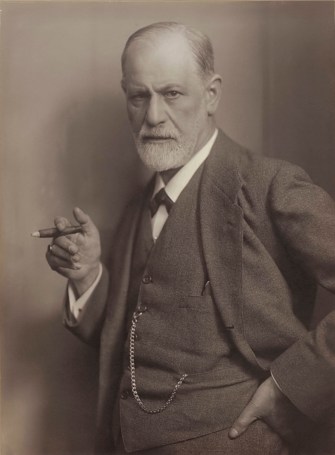 eories are important to my research as his work with the unconscious mind established the field of psychoanalysis. Sigmund Freud believed that the mind is always active whether conscious or unconcious – indicating abstract understanding of our psyche and exploring repressed memories and experiences buried by time. Freud believed, the best method of accessing these are through dreams. I am interested in Freuds belief that dreams provide access to these buried memories and self awareness as dreams are where your unconscious and conscious mind interact.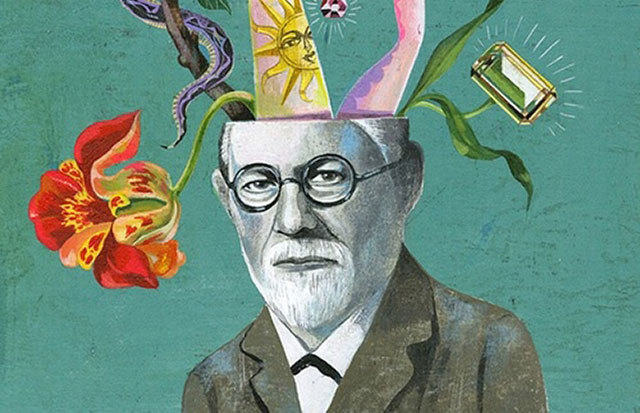
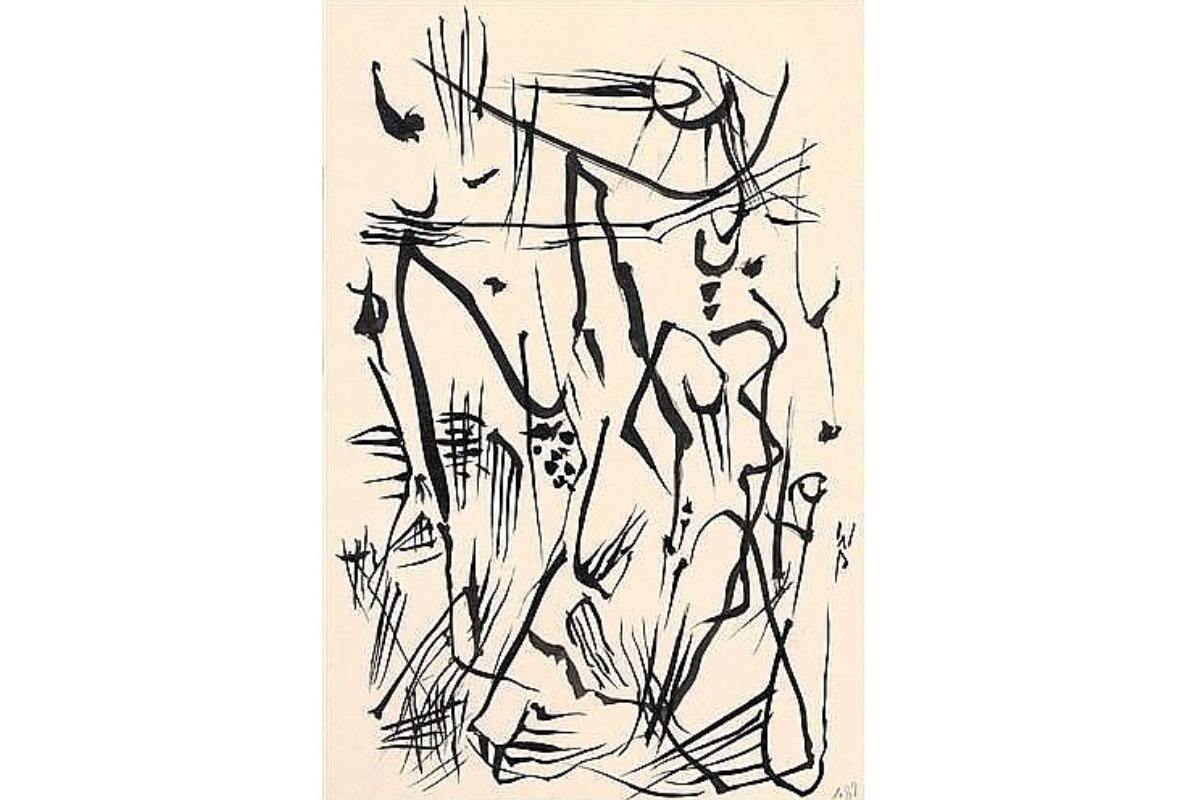
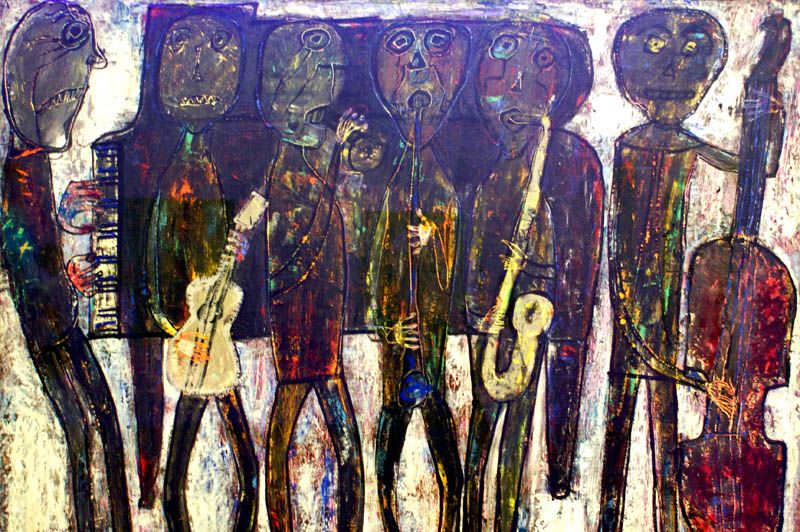
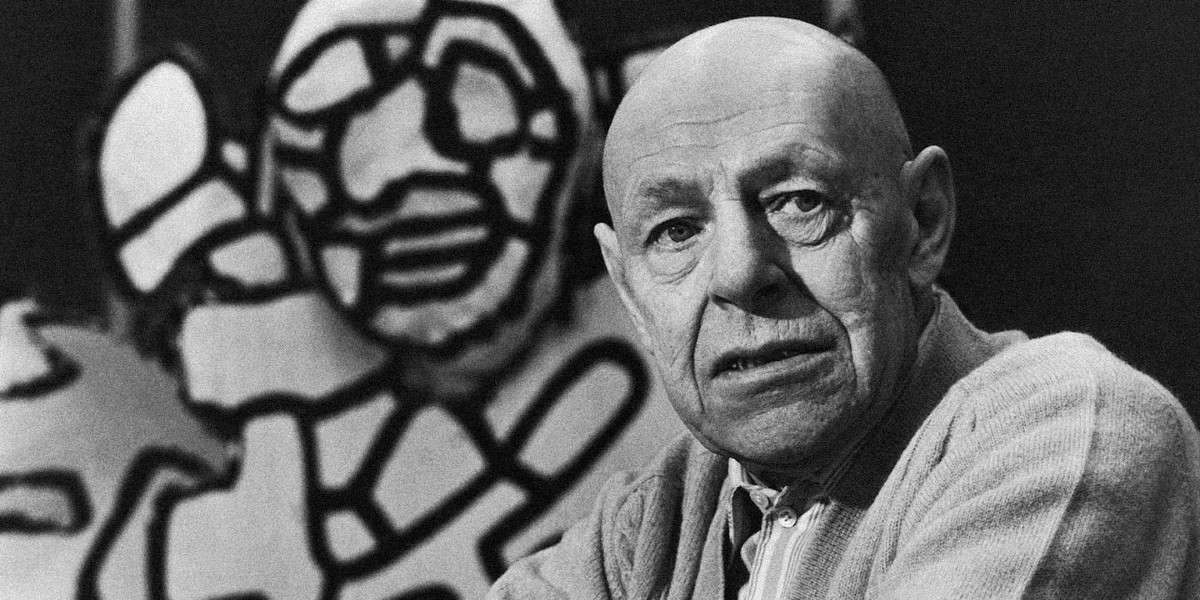



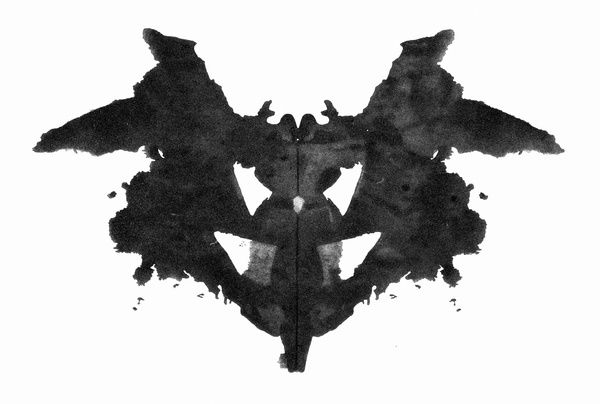
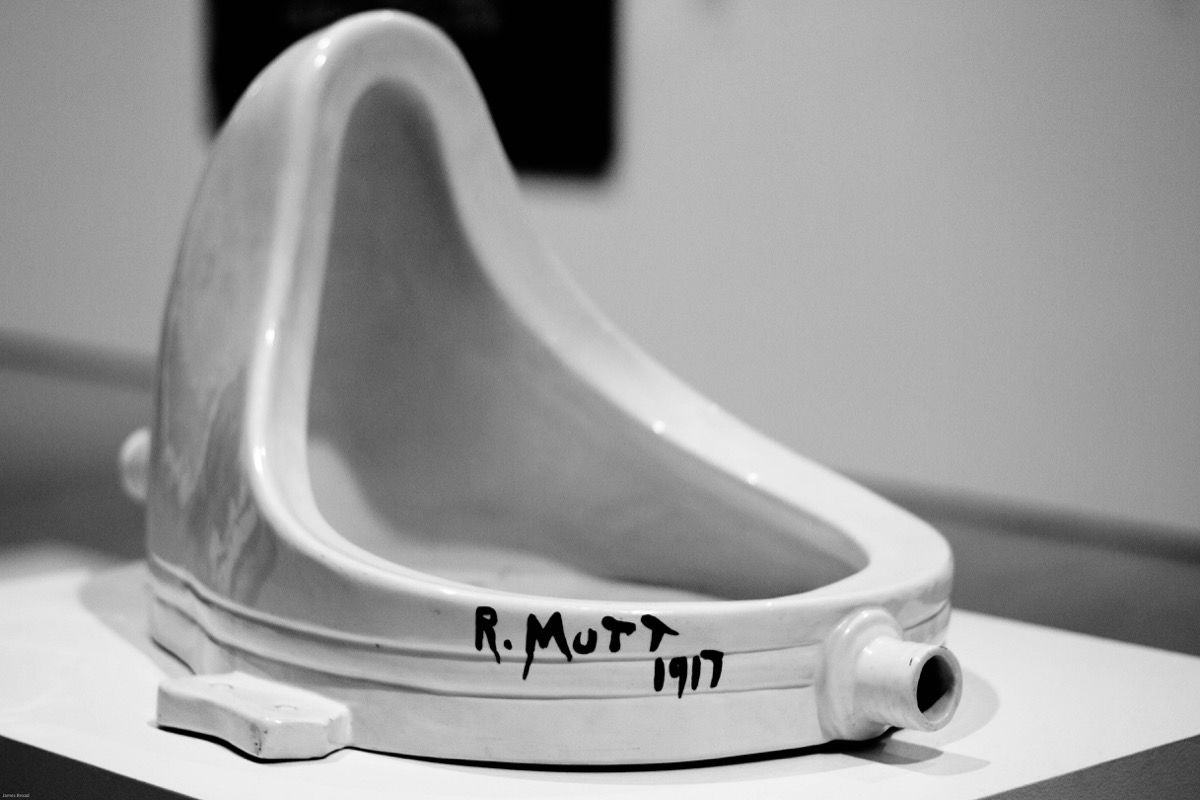
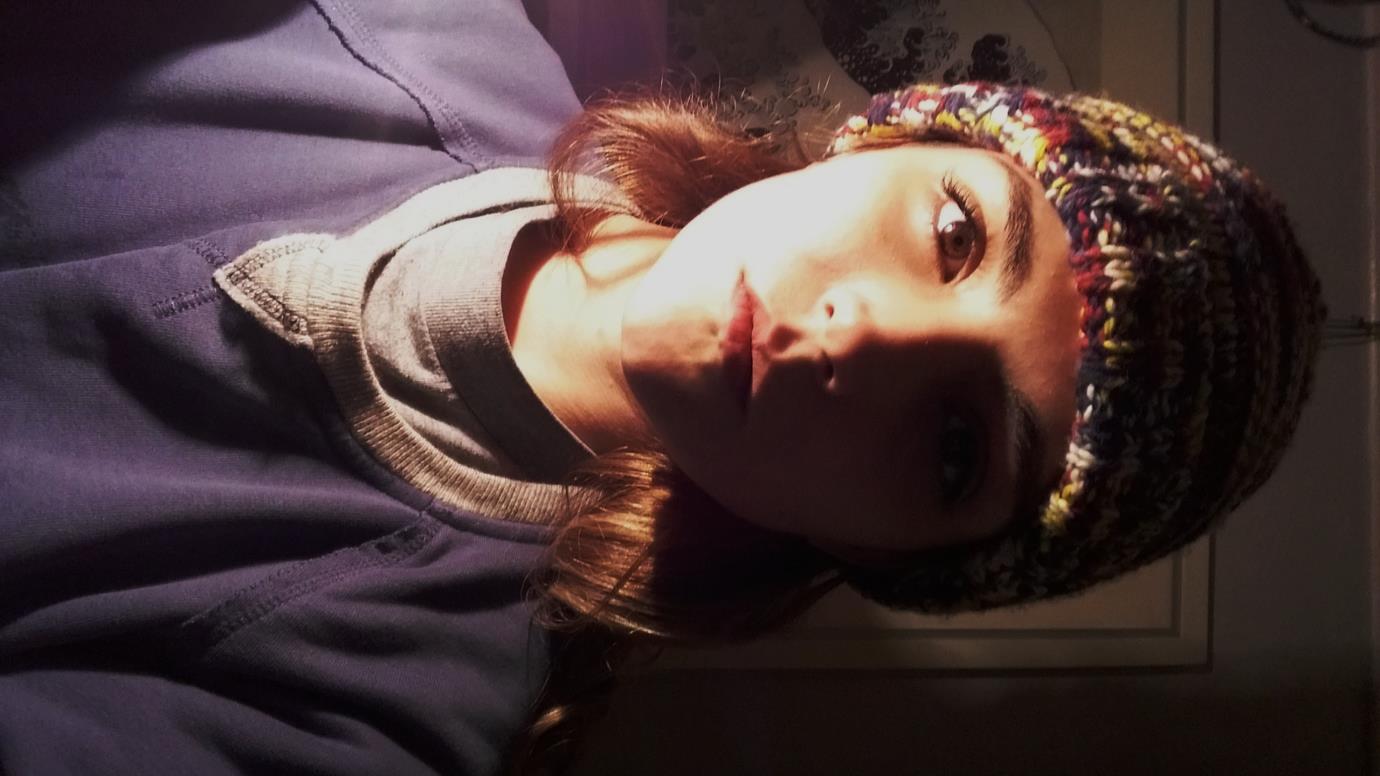


 of creative methods such as drawing painting collage, colouring and sculting. The aim of the session is not to produce great art work but to utilise the work created to further understand yourself. The art can provide a platform for resurfacing memories and narrating narratives that can encourage the emergence of ideas and emotions from the unconscious mind. The practice of art therapy is founded on the concept that self-expression through forms of art and creation has therapeutic properties for those who seek deep understanding of themselves – Art therapists have been trained to comprehend the roles of textures, colour and media within the therapeutic process.
 FAYE TIKIC