Final images – composition and narrowing down finals


grouped together imagery in size and techniques to bring together the composition.


Illustrator & Graphic Designer
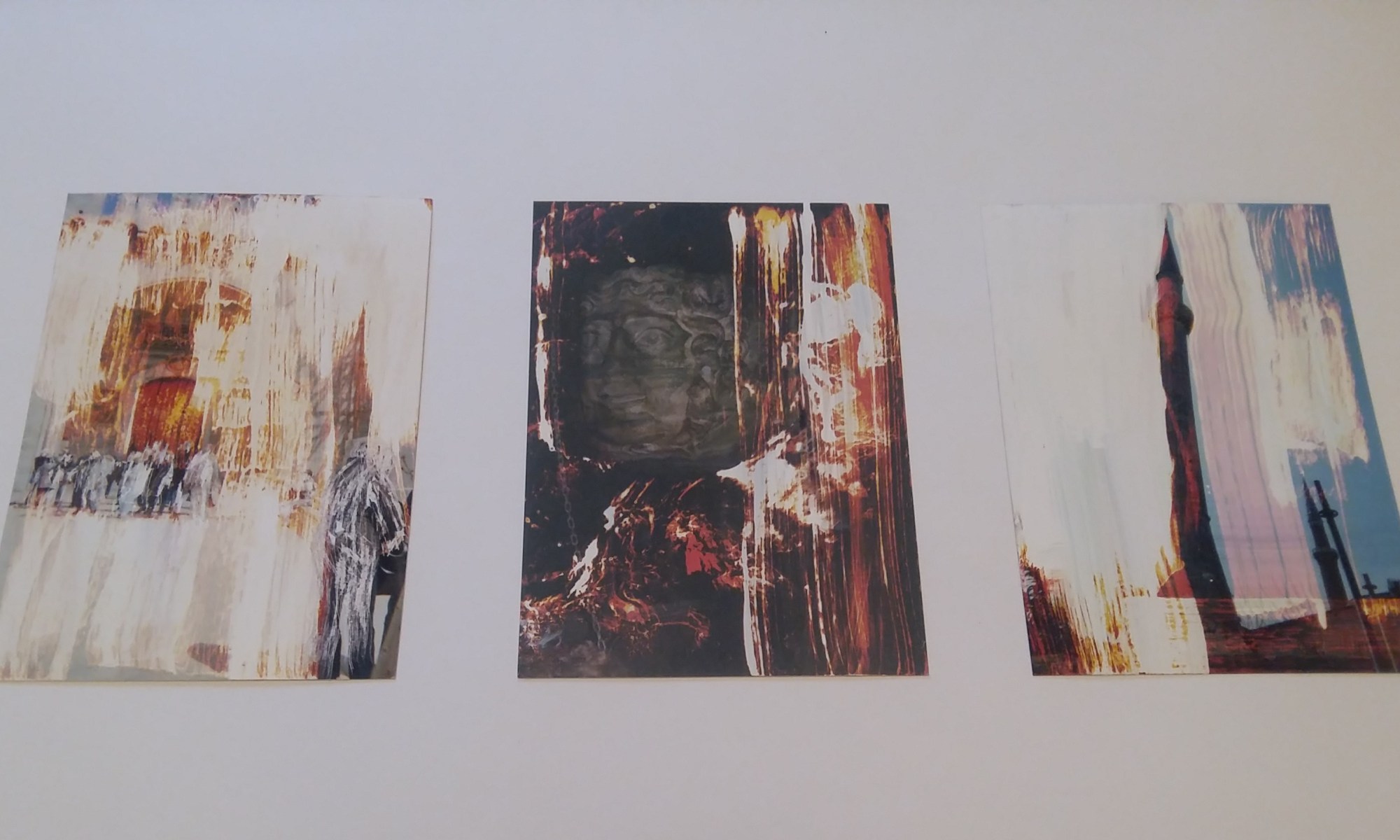
Final images – composition and narrowing down finals
grouped together imagery in size and techniques to bring together the composition.
Inspired by visual methodologies, lancan and ponty.
My developing art theory has been sculpted over the course 5 years of research and practical development, since the second year of my first art course, I have been interested and passionate about aesthetics, visuals and how this impacts the mind. The concept in reference has been growing in relation to psychology and the meaning, purpose and definition of art – playing a role in each of my projects as it develops.
After reading and synthesising the ideas and concepts of my literature sources, I discovered a gap in the field of art and psychology, particularly the process of which psychotherapists use art as a method of investigating mental health and the way in which we explore ourselves through art generally. These are both an opportunity for psychoanalysis. The Process of which we call on our unconscious through conscious interactions is what I have coined as ‘Vocative art theory’.
Psychoanalysts such as Freud believed mental health issues lie between the conscious and unsconcious therefore methods used to surface unsconcious were applied within treatmeants, meaning the term applies to both psychoanalysis and surrealist/outsider arts. Throughout my research I have read mulitple papers on visuals and psychoanalysis refering to this term through indepth discussion, I feel the term vocaticve fits well.
‘Vocative’ in english –
relating to or denoting a case of nouns, pronouns, and adjectives in Latin and other languages, used in addressing or invoking a person or thing.
I feel the term vocative in art refers to the addressing of the unconscious, by exploring alls forms of art, we are calling on the different parts of ourselves that make up our mind, and since the conscious is already present, the unconsicous is all that can be called upon, surfacing the role of psychoanalysis in art and in that, art therapy.
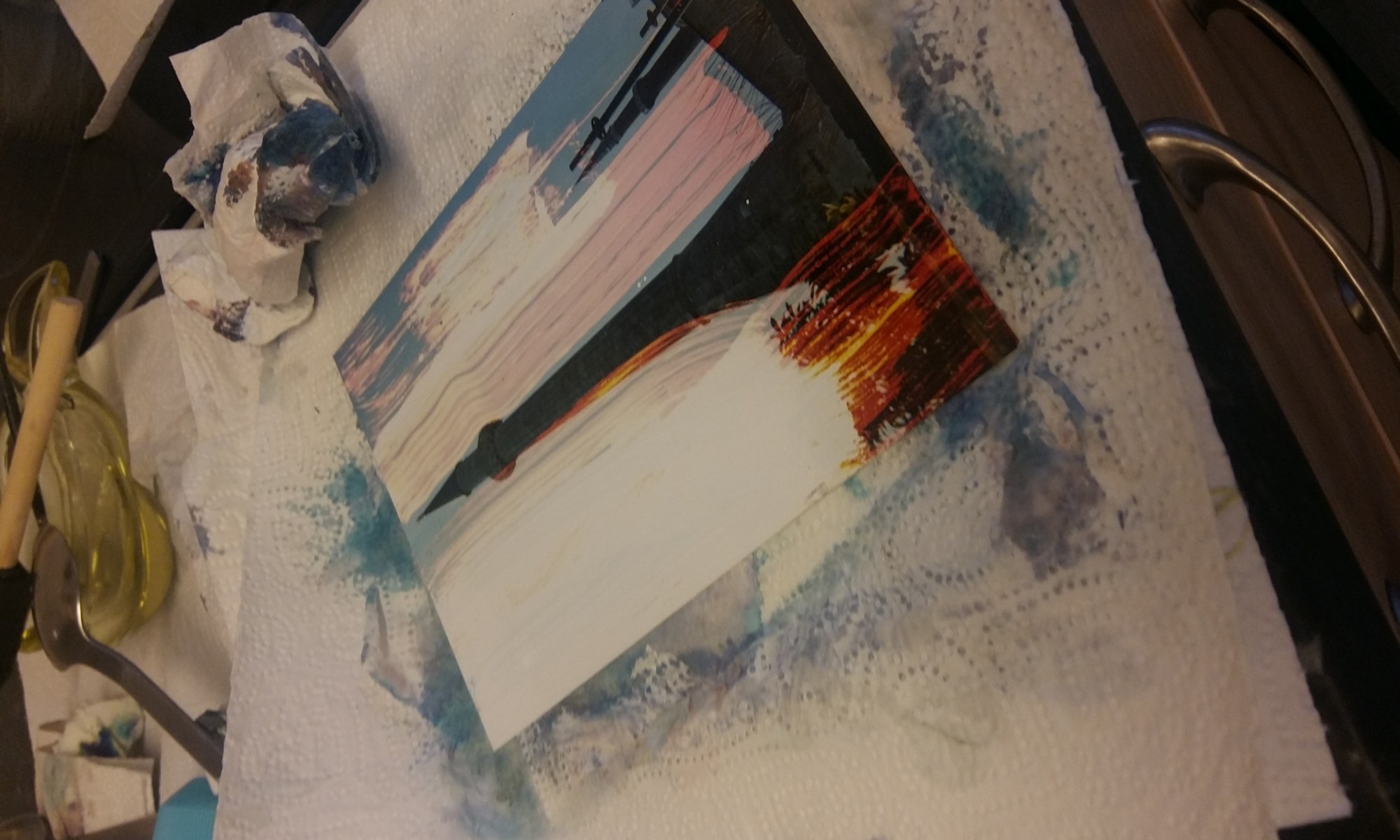
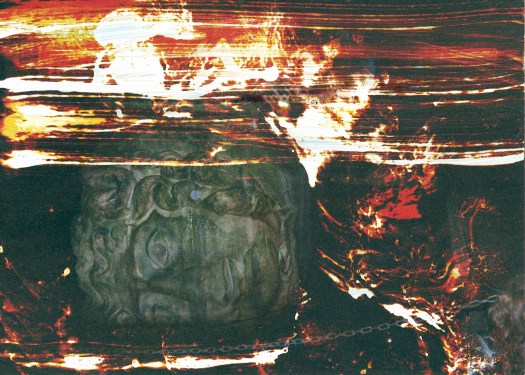
After concluding my art therapy/outsider art workshops, I felt it was appropriate to begin exploring new
Sewing into photography


Scratching away areas using wood carving tools


Bleaching the materials I scratched


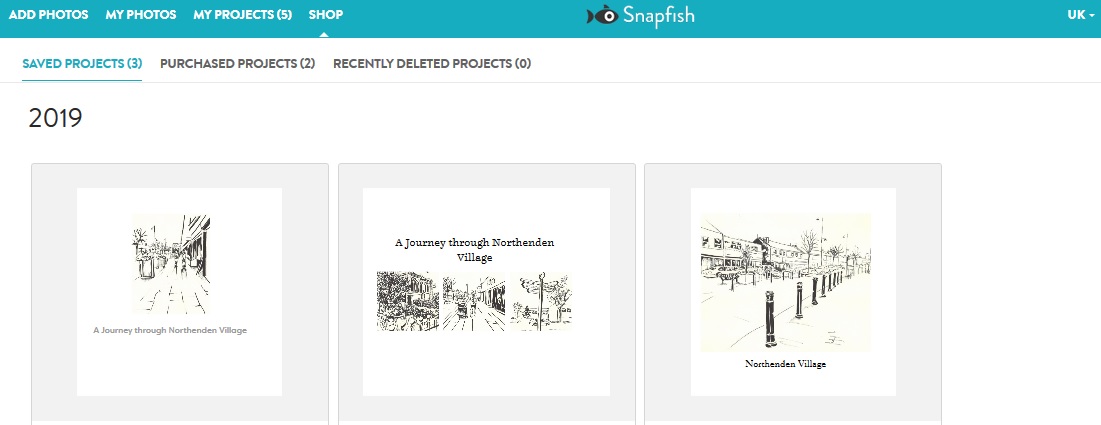
Once I had my final illustrations I was able to insert them into the projects I have previously created on snapfish I played around with the layouts, fonts, sizes and composition of the pages. I narrowed these down to what I could imagine in presentation.
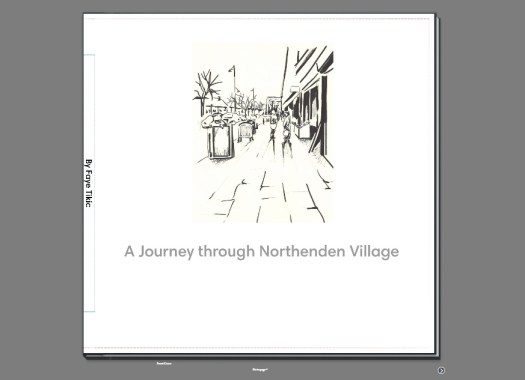
Final production
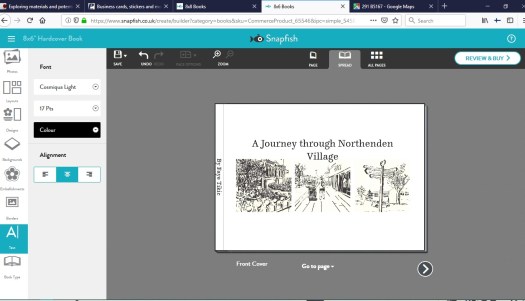
Once I was happy with all aspects of the book such as composition, spelling etc I sent it off to be proffesionally printed, I chose an 8×8″ hardcover book to embody this work, contained, practical and effective. I was happy with the process of making this book, I found it smooth and successful while gaining new skills and experiences, next time I would have liked to produce a larger book with a matted finished, this would require funding so if I was to do this again I would have attempted to raise some money for the outcome through my own market stall at the Northenden Saturday Market.

After selecting the final 25 images from my photo’s, I began to roughly sketch out proportions and composition of each piece. I used good quality, off white thick paper for a vintage aesthtic furthering a sense of past within the works.


I drew all the images in pencil first, once I had my body of drawings I began to fill around areas and add detail using black sharpies and fine liner for sharp and distant details.


I felt inspired by Bob Dylans works while creating these, recreating scenes through imaginative lines and form, this inspiration allowed me to focus on the core moment of the image, dimissing straight and perfect lines/form to add true character and expression of Northenden Village.
Here are a few final images


 FAYE TIKIC