
Morita Psychology

I have been interested in understanding Morita therapy and its history, the concept of Morita psychology came up in conversation and was recommended to me for the development of my work. To understand the nature of its practice I have been researching its background and principles through the book “Morita Therapy” by Dr Shoma Morita and interesting journals such as:

  • “Morita therapy for depression and anxiety (Morita Trial): study protocol for a pilot randomised controlled trial” by Holly Victoria Rose Sugg, David A. Richards and Julia Frost
  • “Morita therapy: Its basic features and cognitive intervention for anxiety treatment” by Ishu Ishiyama

  • “Morita therapy for depression and anxiety (Morita Trial): study protocol for a pilot randomised controlled trial” by Holly Victoria Rose Sugg, David A. Richards and Julia Frost

Morita therapy and psychology

Morita therapy was developed by psychiatrist Shoma Morita (1874–1938), a book embodying mindful psychology and approach influenced by of Zen Buddhism. This treatment was established to sustain humanistic approach to mental conditions such as: depression, drug addiction, anxiety and stress just to name a few, though initially the method was expanded to treat a type of anxiety neurosis called shinkeishitsu. The psychology of Morita understood the symptoms of depression and anxiety as part of the human experience. The approach to Morita therapy helped patients understand and accept undesired emotions are inevitable symptoms of human existence. With this understanding and principle, Morita developed his theory into a four stage progressive method; an intense course that confronts the emotional ability to cope while improving the ability to function along-side this understanding. Morita therapy is a therapeutic response-oriented therapy that is widely practiced in Japan. The result of this practice re-orientates the individual in the natural world and restores their ability to nurture the capacity for wellness and healthy wellbeing. I am intrigued by the nature of this approach, believing that self-centredness leads to suffering, and that the only solution is to become more in tune and in touch with the outside world liberating the individual from themselves in highlighting the true nature of being.

The stages of Morita Therapy:

The first stage of Morita therapy traditionally begins with a period of isolation and rest, here the patient is confronted by their own thoughts and issues; inevitably driving the individual to cope and process their emotions if not allow them to pass. The second and third stage of the process employs occupational therapy: “light work” then “heavy work”. Light work encourages the individual to concentrate on something such as gardening, painting and drawing, this is completed in silence using a journal to note thoughts, a form of self-treatment. During the third stage, heavy work is encouraged, this would involve wood working, writing, or creating art, this is a process resulting in self-satisfaction and outer engagement. In the last stage, patients are reintroduced into society, applying important principles of the first, second and third stages of Morita therapy to integrate new living style. The patient learns to practice a fresh lifestyle of meditation, physical activity, clearer thinking, more ordered living and a managed state of emotional wellbeing.

I have decided to embody and encourage the stages of Morita therapy and Kaizen in the development of the magazines purpose, practice and aesthetic; exercises my core intentions and effectivity.
Kaizen 改善

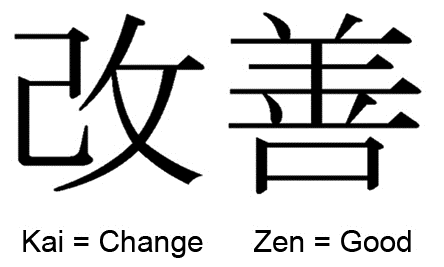
I have been exploring the meaning of kaizen as it has become apparent that it has strong links to the ideology and practice of my magazine. After reviewing some suggested links, I found that Kaizen is the Japanese term for improvement, and translates as ‘good change’ it plays an important role within industrial development referring to a process of continuous improvement. Throughout my research it seems Toyota use kaizen as a method of applying small advancements to their manufacturing processes, exercising the understanding that each step builds on the others producing a dramatic result. The ideas of Kaizen have been applied to health care, psychotherapy and life coaching, founding strength as a life style for healthy, approachable change. I am interested in Kaizen, as its practice and nature is similar to the approach of my magazine, using steps, processes and exercises to build on good change and healthy improvement.  I feel the nature of Kaizen resonates extremely well with my ideas, and would be a fitting and powerful title for my magazine. I will continue to build on the ideology of kaizen while designing and developing the content and exercises.

“Kaizen means improvement. Moreover, it means continuing improvement in personal life, home life, social life and working life. When applied to the workplace Kaizen means continuing improvement involving everyone – managers and worksers alike ” Masaaki Imai, Founder of Kaizen Institute

Existing product: Research

To fulful potential in design and aesthetic, I have been referring to a range of relevant magazines. Luckily, I have been collecting: Art Quartlery, Psychologies and Leisure Painter magazines for a few years now so I have an available mass of research to dive into. will disect the elements and themes of the piece while collecting other example products for further development. Below I have scanned in some reference magazines to give an idea of what I’m looking at as demonstration.

Example Magazines

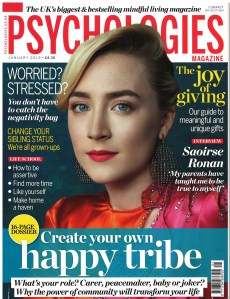
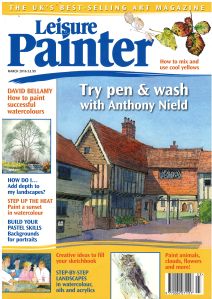
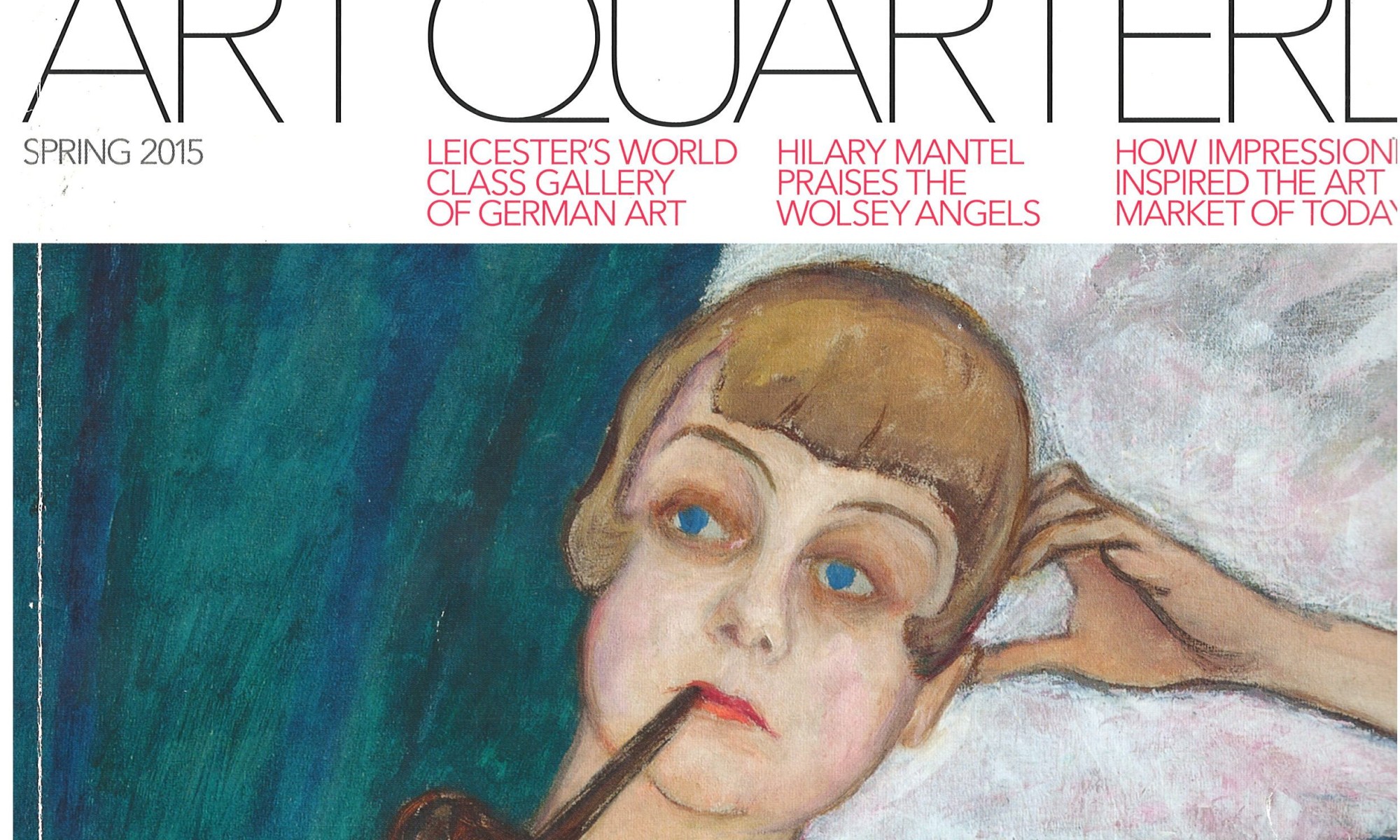
I have been using these front covers as an example for composition and aesthetic, I have noticed in all issues, they display the article titles under the top magazine title, containing information together allowing the majority of space to be a visually stimulating and in theme with the magazine itself.

FRONT COVERS OF ART QUARTERLY

ARTICLES

Psychologies & Leisure Painter

SCAN0081
I have been using this magazine to understand how to target an audience without art, using the front cover as an example of young audience, perhaps using a celebrity on each issue to appeal to the viewers? I have noticed a range of rhetorical questions, pehaps this directly speaks to the audience? I will explore these options in later development.
SCAN0103
I have been using this magazine as an example for interactive exercises, displaying demonstrations of painting and techniques to inspire the viewer to paint along, I feel this could be intergrated into my magazine, maybe in a way the viewer can draw and write within the book.

Exhibition Planning 5.03.19

(This post was initially a document that I decided to upload for organisation)

Roles: sponsorship and fundraising

After attending the first exhibition meeting with the group, we were able to understand what we needed to be doing in order to achieve our vision. I found this very helpful I was able to identify my responsibily and role within the upcoming event. Here we discussed a range of relevant topics such as promotion, website, funding etc. I suggested making products for fundraising as well as exploring options of sponsorship therefore these are my allocated roles.

Planning production

In terms of fund raising I will be producing candle products that I will sell through instagram and at live events, while also making sure it is clear that donations are welcome. I will source realistically priced mason jars to make the candles in, ensuring I spend no more than £10 on the materials. As I have soya wax, essential oils and wicks left over from previous products, I am able to save money on further materials, ensuring the main income is profit only.

Planning sponsorship

I feel organising sponsorship is an important job, I feel the structure and writing style can have a large impact on persuasion therefore I intend on doing some research and drafts before finalising. To do this I will research and organise the following points in a word document:

  • realistic contacts – known for community based work and sponsorship
  • key factors concerning event
  • example letters
  • example structure
  • helpful links in persuasive writing

Once I have formed this doc I will begin drafting my e-mails. I am working on this aspect of work with a colleague to ensure the work is not one sided, I can use this document to ensure we are on the same page. This along with records of meetings and communication can be used to support current work. To further potential I will continue to analyse progress in my reflections document.

Production 7.03.19


10.03.19 UPDATE

As the next exhibition meeting coming up this Monday, I have been using the last 5 days to progress in my roles. I bought the materials, and produced the candles for fund-raising which I will take to the meeting on Monday. I have created a sponsorship doc to conclude all exploration and potential which helped me come up with some questions for the group, I feel I will be able to make clear progress after the next meeting, sending off the sponsorship letters before the end of the week while selling the products in between.

18.03.19 UPDATE

Since my last post, I attended the meeting and I have been working on sponsorship. We spoke about sending a letter to Cass art and Fred Aldous, therefore I used my research document to create a draft later that day. During my research I had found these organisations would need up to two months notice, as the exhibition is in May, I felt it was urgent to get in contact as soon as possible. Therefore, after finalising the structure I sent one out to: Cass Art, Fred Aldous and HOME. Meaning I can await their replies while I continue with other work. Today I have sorting through my old art works to find something for the auction as well as selecting some of my best works for the website and cataglogue. I will be able to send these before the end of this week, ensuring all responsibilities surrounding the exhibition will have been complete a week or so before the end of this month.


Organisation & Planning

project planning

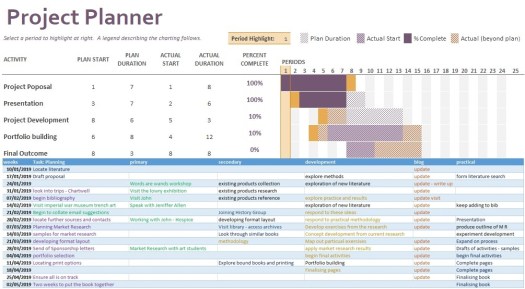
I have been using a variety of time management methods since the beginning of this project. I have been employing two project planners and a document for recording and dating to do lists. The above project planner is used for my over all progress, logging a pre-planned vision of the weeks of my project. I mainly use a daily planner, which breaks these weeks into days, this way I am able to reference my overall plan in relation to my current work and to do lists. This allows me to allocate tasks into days, while referencing my overall plan to ensure all is on track. I have updated these as I go, tracking development and enabling an organised system of planning as the project unfolds.