Art Therapy, Trench Art and War

Political leaders, soldiers and trench art

I feel looking into trench art will provide beneficial research for my current work around art therapy, by looking to the war as a large example of emotional trauma and mental battle, we can see how art can play a role in recovery. Trench art is the term given to pieces created in the trenches of war starting in WW1, made by soldiers; it also refers to art made in response to, or during conflict by soldiers, prisoners and civilians from repurposed war materials.

Throughout my research it has become apparent that soldiers and political leaders have been employing art as a coping strategy during times of pressure and stress, by looking at how soldiers naturally created and produced artwork during these times, we can see the positive impact of art on mind and wellbeing in the 21st century.

Individuals such as: Winston Churchill, George W bush and Adolf Hitler are examples of political leaders who have valued artistic merit and expression throughout their careers, returning to creative therapeutic comfort during times of crisis and pressure.
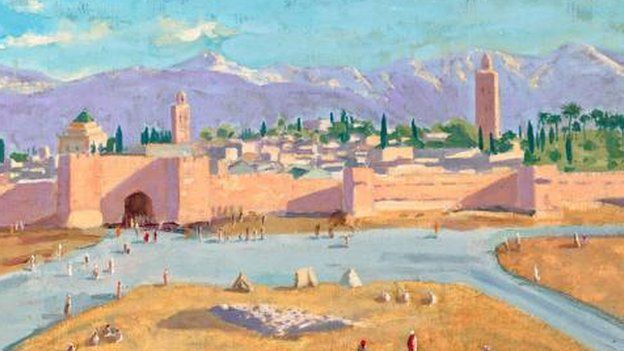
 

Image result for churchill painting
Landscape by Churchill

Winston Churchill “Painting came to my rescue in a most trying time” 1920

Churchill found painting in 1915, during a time political distress. He resigned from his government post and went onto to become an army officer; during this time of anxiety and deflation he turned to painting. In later life, Churchill would paint en plain air landscapes throughout his favourite locations in Europe as well as in his studio/garden at Chartwell. Winston also wrote ‘Painting as a pass time’ in 1948, furthering his adoration for painting throughout a stressful life of battle and leadership.
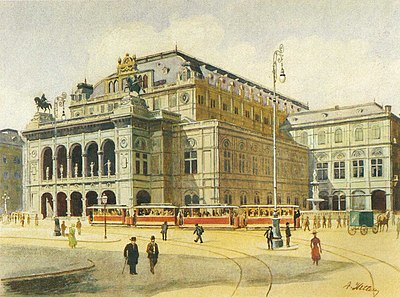
 

Image result for adolf hitler painter
Urban Landscape by Hitler

Hitler was another example of a political leader come artist however, his passion of painting began before coming to power. When Hitler was eighteen he had already found the drive to become a professional artist applying to the art academy in Vienna twice, but being denied entry each time; painting and drawing were still a hobby throughout his later life.


Image result for bob ross


Bob Ross, famous painter known for the joys of painting, was initially an air force drill sergeant he began his painting in the military, painting the Alaskan landscapes surrounding their base. I was surprised to find out Bob Ross was ever in the military and found his passion there, I feel the more we look to the individuals within war and art we can recover further links between art and wellbeing.

“I was the guy who makes you scrub the latrine, the guy who makes you make your bed, the guy who screams at you for being late to work. The job requires you to be a mean, tough person. And I was fed up with it. I promised myself that if I ever got away from it, it wasn’t going to be that way anymore.” – Bob Ross
Conversations with John

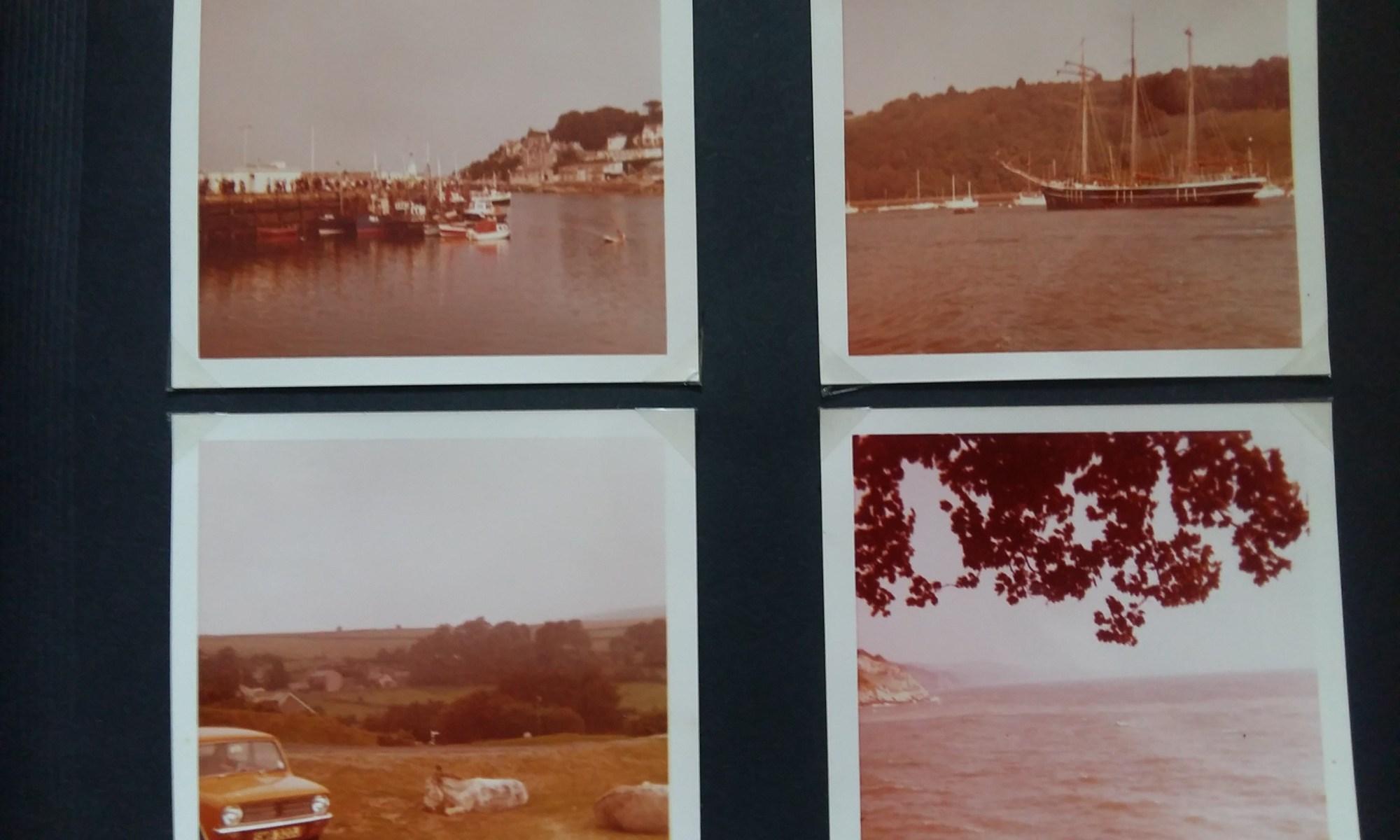
I have been speaking with an individual who is soon due to live in a hospice, I wanted to maintain a source of joy in their life and work with some potential processes for my up-coming art therapy book, here I will be exercising recommended relaxation methods and theraputic processes through art. I have met with him in his home in Mobberly, here he showed me through old photo ablums and we spoke about his family. As we got chatting I began explaining my current project and its links to world war one and two, this set a great basis as he was able to tell me about his father, however he had never met him and was raised by three women. John was able to provide me a picture of his father from the war, he was a pilot in the airforce during world war one. It was an interesting visit and I look forward to the next.


I feel the results from this experience will greatly help the development and effectivity of the book. Gaining primary in depth results from a contextual source. This will be exercised throughout the course of my project every two weeks as the processes develop.

Workshop Research

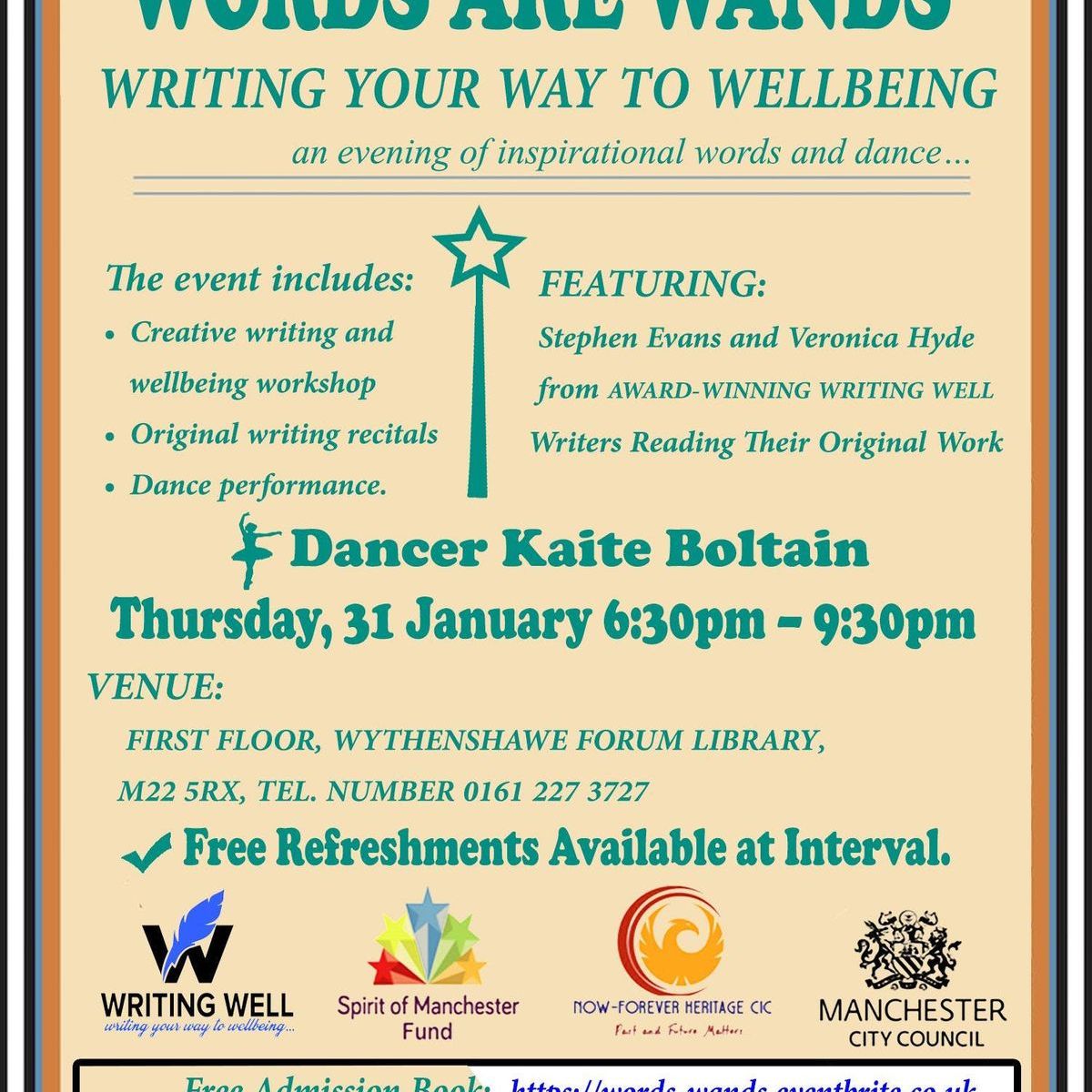
Words are Wands: Writing your way to well being

I visited the words are wands workshop for multiple causes, mainly to retrieve in-depth, live primary research around art and wellbeing. I wanted to contribute to the workshop as well as observe the approach as I will be conducting a similar workshop with year one art students.In an interview in November 2018 with psychoanalyst and poet Fokkina McDonnell, it was suggested I explore the works of Natalie Goldberg and practice writing as a way of mindful therapy and understanding our unconscious, this understanding resonated well with the event as I was able to contribute the ideas of Goldberg’s zen writing process and writers block, her name was also mentioned on some of the paper works handed out which I felt was interesting.

After the talk we were supplied with a worksheet and pen, consisting of three different creative writing challenges, we went through each one, filling out four of the options however I intended on continuing the worksheet from home in my own time. I found the most important part of the experience was Veronica Hyde’s meditation exercises, this was conducted before the large writing activity and allowed us to centre ourselves and work through mental barriers and anxiety into potential. The writing exercises were a great way to cut through the chatter of your mind, I felt inspired to explore meditation and art therapy as a way of exercising art and wellbeing, I will reference activities and approaches of this event when designing my upcoming session with the year one art students and final piece.