Interview with Dr Alborz

During my previous project, I met with Alison Alborz a psychologyst and researcher for the Manchester University. I felt it would be helpful to have another chat with her about my current ideas regarding the art therapy book. We were able to converse about the purpose, effectivity, theme and process of the book, leading important ideas into development.

We spoke about the different approaches and purposes of the book such as its use for the art therapist as research and perhaps the idea of individual production, producing them individually for the partiular patient. By exploring the importance of audience which in my case is: soldiers and refugees it became apparent that each of these individuals would need personal themes as they could also pose as triggers.

We spoke about potential ideas for the book, perhaps a book each solider would carry embodying the identity of home such as key-rings, flowers, blankets to the idea of creating a post war rememberance book of their military family.
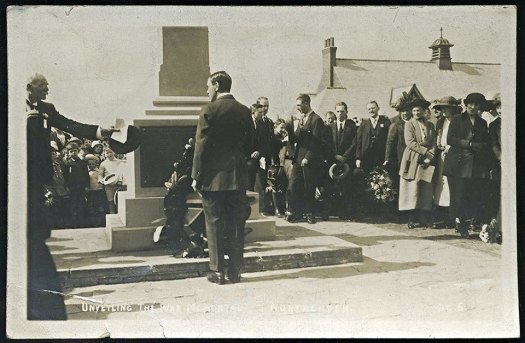
War memorial, Northenden, 1921 unvieling ceremony

This meeting has made me think mostly about my audience, I have realised I must focus either on soliders, or refugees not both. This is because they are very different audiences and cannot provide effective treatment for both as they are suffering from different stresses of war. By producing something for both, I felt it is unempathetic and unethical therefore I feel it is important to rethink the importance of my audience and in that I can begin the development of my practical themes.


Modern Art and War

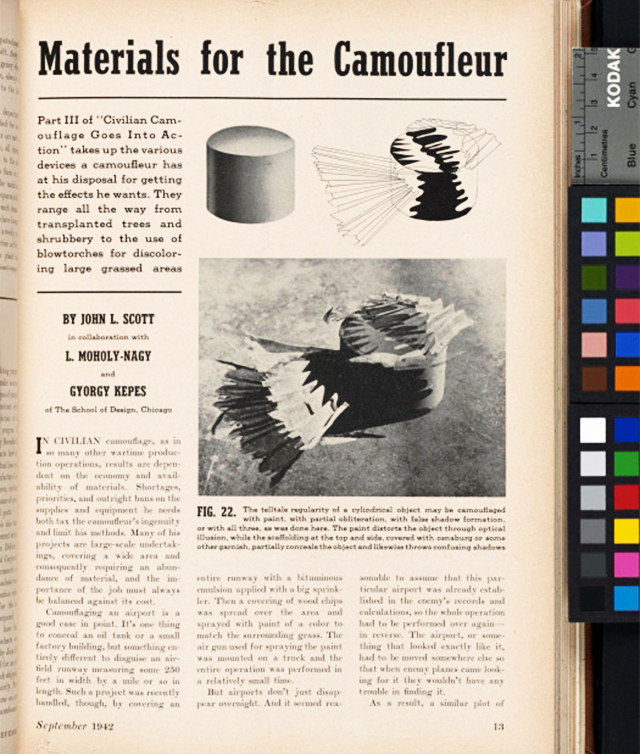
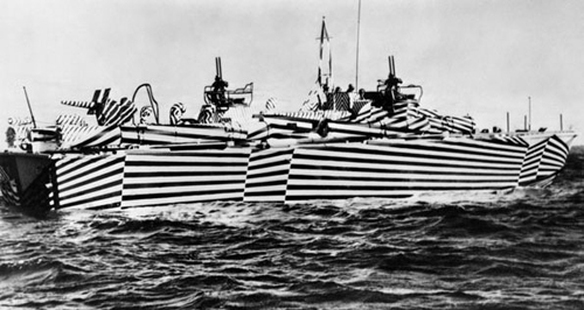
Throughout my research on art and war, I couldn’t help but pay attention to the role of modern art during ww2, particularly surrounding optical illusion and camouflage.  Painter Norman Wilkinson contributed an early example of this in World War 1 demonstrated through the development of dazzle ships, cubist artists such as Pablo Picasso have claimed the technique was originally created for this purpose. Later during World War 2 in the 1940’s, concepts in theme with surrealism and cubism had been applied to the practicality of war along with the help of artists.

The importance of camouflage and illusion held great significance as technology developed throughout the 1930’s, the visibility of planes from above and figures below had improved through methods of infrared vision and developing technology therefore, visual manipulation was more popular than ever.

Image result for dazzle ship
A “dazzle” ship in 1918.

Artists such as László Moholy-Nagy, manipulated vision through kinetic patterns, and shadows in his paintings and sculptures, as a teacher at Chicago’s school of Design, he had the authority to organize students in applying the ideals of camo design after the breakout of war. The contributions of this artist and teacher varied from clever application of pain for disguise, manipulation of distance to concealing a cylindrical target such as a propane tank. The importance of Moholy-Nagy’s achievements earned him a place in the mayor’s personal staff in 1941, given the role of helping conceal Chicago in an attack.


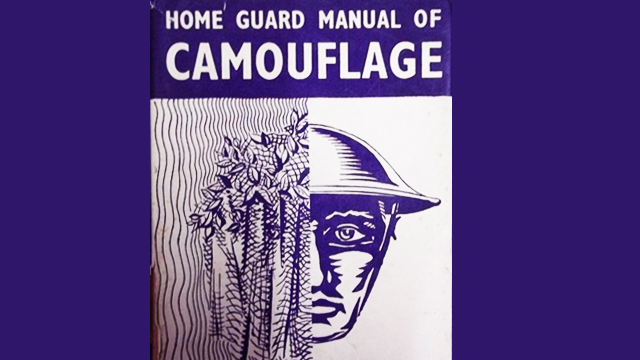
British, surrealist painter, Roland Penrose pursued the establishment of an English standard for concealment during world war two. His important book, ‘the home guard manual of camouflage’ was a diverse guide on well-known painting methods, covering styles such as pointillism and cubism in practical application to warfare. After the publication of his book he went onto found London’s institute of contemporary arts, strengthen the ties between contemporary, modern art and its unexpected aid in war; I feel this research furthers arts role of support in war.


I feel particularly inspired by the connections of mental illness of the concept of camouflage, I feel the exploration of modern art in relation to war and design could provide an interesting contextual starting point for the accumulation of response work. I will begin by producing a range of portraiture illustration work of different in theme styles.

Manchester War Archives

Wythenshawe History Group

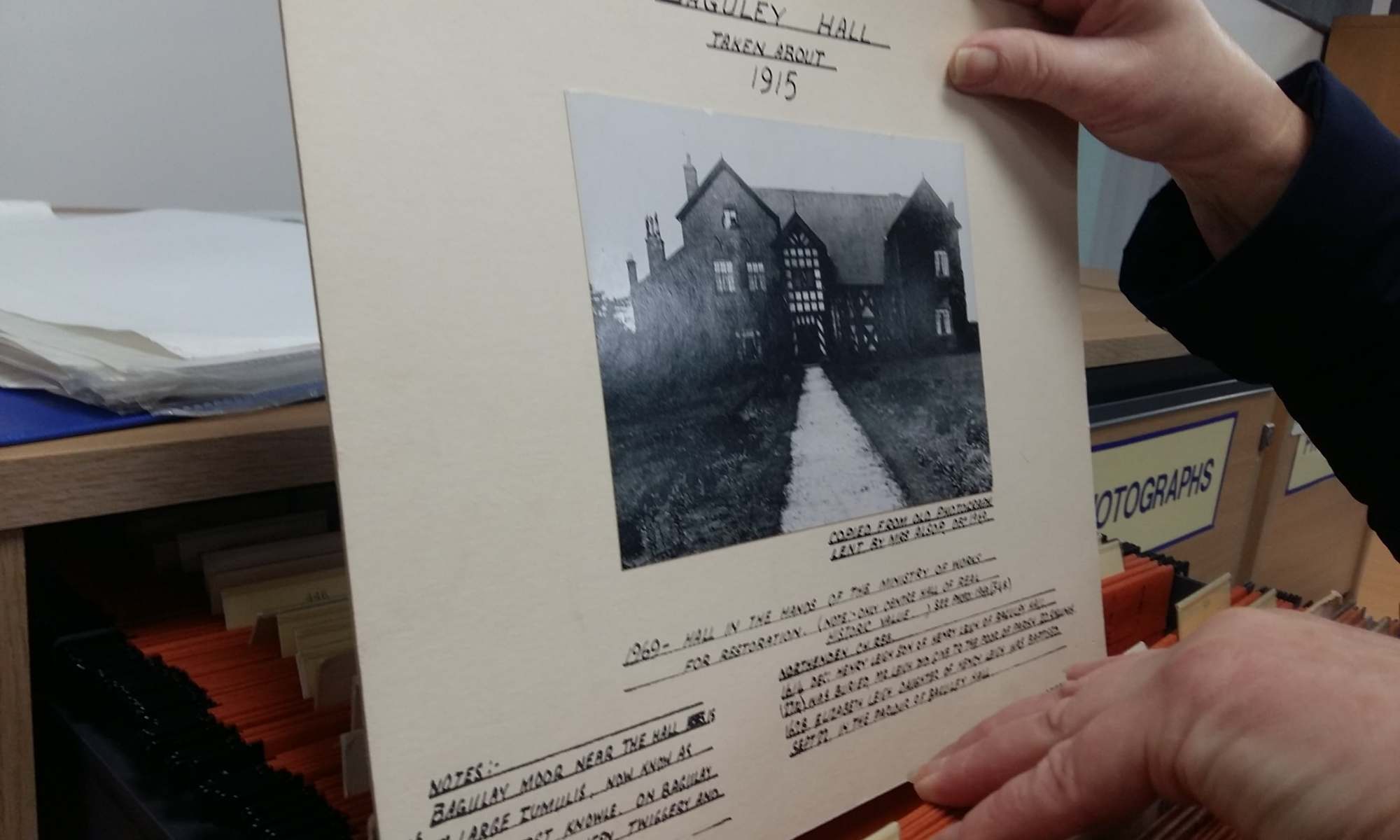
To fulfil potential within a range of my current projects, I have joined the Wythenshawe History Group and attended my first meeting on Monday the 18th. Here I became an official member and was granted a key to the archival draws in the Forum Library.


I took this opportunity to explore a varitey of archives ranging from 1912 to modern day, providing me with in depth primary material and resources. To further this research I was sent a folder of these archives and I am able to return to the library as and when I desire.

speaking with Jennifer Allen

I have been speaking with art therapist and psychoanalyst Jennifer Allen, negotiating potential ideas and processes for the mindful art therpy book. After explaining the core importance and purpose of my idea, I was provided with an indepth email exploring potential exercises, approaches and sources. Ideas such as mandalas, visulisation and tapping in were suggested for helping people with ptsd get into their body in a healthy way, regulating the nervous system. I found this advice helpful and important to the development of my idea and the effectivity of the exercises, I will use these reccomendations to build the impact and approach of my book.