Interview: Dr M Alborz – Literature

Meeting with Dr M Alborz

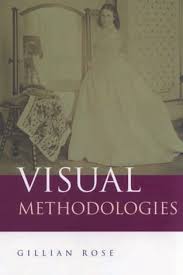
Today I had the pleasure of meeting with psychologist, Dr Alison M Alborz. We discussed a range of topics such as my art theory and her views on art therapy and psychology. She provided me with a reference from one of her students previous works that she thought would help me, this was the book Visual Methodologies: An introduction to research with visual methods, by Gillian Rose as well as a copy of Man and His Symbol by Carl Jung.


Visual Methodoligies: An introduction to researching with visual methods

This book begins by discussing the concept of culture in relation to visuals and meaning, exploring the concepts and distinction between vision and visuality expressing how vision is what we are capable of seeing but how visuality refers to how a vision is constructed, how we see. I was unsurprised to spot John Burger’s input, suggesting ‘seeing comes before words, the child looks and recognizes before it can speak’ I was pleased to read this as I have been a fan of Bergers books and work with the BBC so it was great to find in theme ideas, I feel visual language is its own form of communication, not only with each other but ourselves and our world therefore I feel this book will provide a great foundation to build on existing debates.
Changing direction

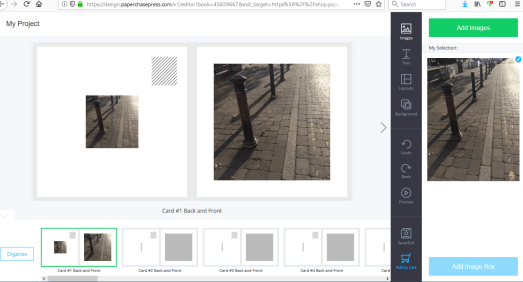
Since my last post I have been continuing to explore the option of generating a postcard book for my client. I decided to keep with the website I had previously explored  and thought it would be helpful to create a quick sample book to make sure this is what I wanted to develop.

Image result for postcard bookTo do this I used the same image inserted into each slot to speed up the process, once I had a full postcard book I went to the checkout to weigh up delivery costs etc – this became an issue as I would be charged over £200 for mass production, packaging, print quality and delivery therefore I decided to look else where. After further exploring online and in shops such as call print and printing.com Disdbury, I found that postcard books are usually printed in large quantities and even printing 5 books would cost me £100. I would have liked to present my client with a stock of books ready to sell however I am unable to execute this within my resources.


Image result for photo albumAs I cannot provide my client with my desired vision I have decided to change my direction and focus on developing illustrations for a photo album. I feel this is a much more realistic and plausible option as I can print it individually for a fair price while retaining quality and sophistication. I have also thought about storing my illustrations as jpeg files on a USB so that can be they can be easily applied to future products such as the postcards or advertisement ensuring my client recieves the best of both worlds.


Interview with Fokkina Mcdonnell

Fokkina Mcdonnel

Today I had the pleasure of meeting Fokkina Mcdonnell,  a former psychoanalyst, published writer and award winning poet. This interview generated great insight into the realm of pyschology and psychoanalysis, discussing her profession and life as a poet in relation to my art theory and relevant work. I was intrigued by her practical methods such as employing treatments like EMDR  for people with PTSD and trauma, though I was particularly interested in her work on dream analysis.

Image result for fokkina mcdonnell
As I’ve been exploring surrealism, Breton and Freudian theory, I was pleased to find out Mcdonnel had worked with dream analysis. Fokkina explained how dreams are treated like memories and are understood through symolism connected to the individual – I felt this would be very benefical to my work, I could perhaps begin incorporating my dreams into my automatist practice or apply this concept to my workshop, asking students to explore their imaginations and dreams.

Fokkina was able to suggest a range of helpful activites for my upcoming workshop with year 1 art students, she recommened simple tasks such as drawing themselves as an animal or tree as these activites allow individual expression and self exploration.

Towards the end of our chat, Fokkina provided me with a business card for Acacia Publications and a range of helpful literature. Prior to our meet, Fokkina had printed some poetry and front covers of helpful books to contribute to my workshops. I felt this was such a lovely touch and was grateful that someone such as herself had gone out of her way for my work. I couldn’t thank her enough for the help, this was an experience I will value professionally and personally as it was such a pleasure to meet an award winning poet and personal inspiration.


Exploring materials and potential

As I am now developing illustrations for a post card book I felt it was important to look online to gain awareness on the different process and prices involved. I have found multiple websites that have made it simple to send in designs and have them printed into a post card book, I will now have to explore further details such as prices, sizes and quantity. I feel drawing up to fifty illustrations of the village and river will ensure the post card book is full and displays a range of original illustrations and perspectives of the Village.

post-card-software.png

After familiarising myself with the online software and potential websites I have found a site that will work well for me (paperchase press). The desired size I would like, provides 25 pages so I will be developing the imagery  while continuing to familiarise myself with the website format and design system. To ensure my illustrations look great quality on the cards, I have decided to draw them largely onto a4 paper and scan each design.

Websites I had looked at but didn’t fit my desired criteria.

vista print
Calverts
Orms Print Room

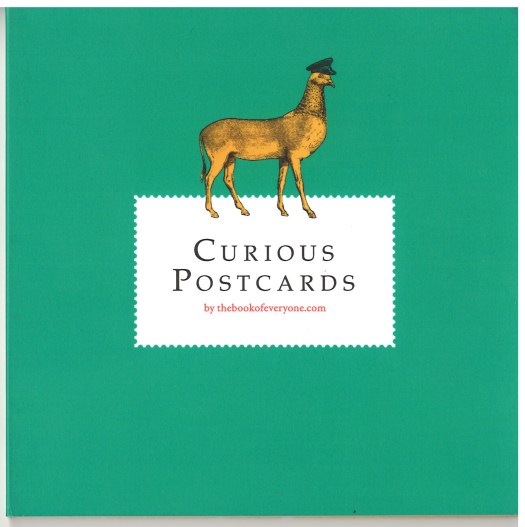
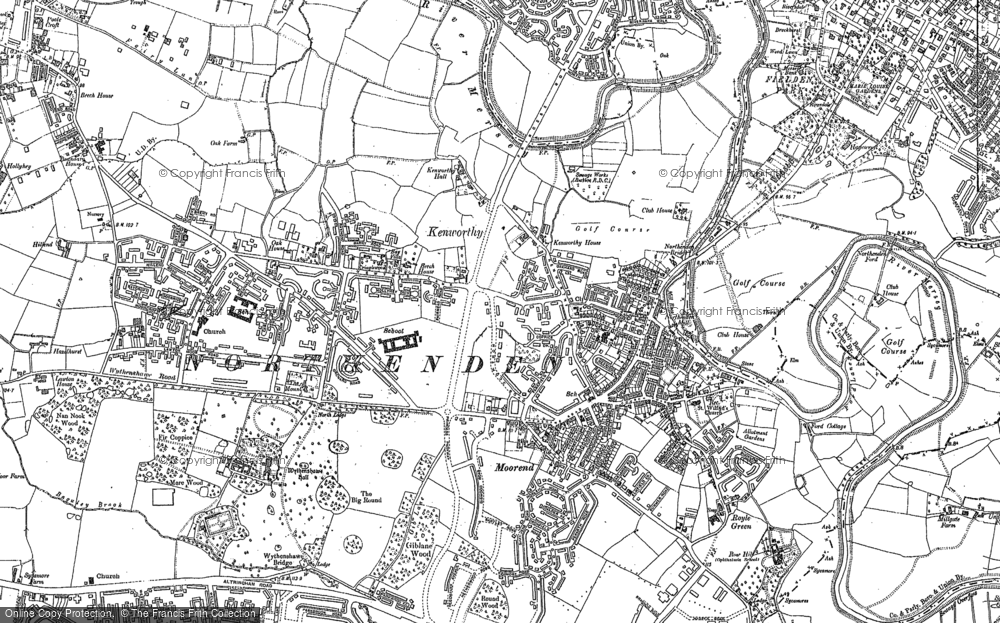
I have decided to budget a small amount of money towards purchasing existing products, this is so I can reference final pieces to help finalise the proffessionalism of my outcome, I was able to find this in a charity shop on a trip in Northenden Village:

postcard book.jpg

I can reference the finish, quality and size of this piece for potential printed outcomes whether that be a postcard book or photo-book.

What is psychoanalysis?

I thought it would be helpful to further educate myself on psychoanalysis, I am interested in finding out methods of projection and the general practice of a psychoanalyst as their job is to explore the human mind and in that their identity. As we know psychoanalysis was founded by Freud (1856-1939) who believed the cure of mental health lay between the conscious and unconscious though these are still just theories.

Image result for art therapy

PSYCHOANALYSIS PRACTICE

Some important common presumptions within psychoanalytic psychology are:

  • Psychoanalysts view psychological problems as fixed in the unconscious mind
  • Issues are manifested through dismissed disturbances
  • Issues are typically traced back to unresolved trauma and repressed issues
  • Treatment aims to introduce repressed issues to
  •  Consciousness in the hopes of addressing and confronting the problem directly


Throughout my research I have found therapists possess a variety of methods for psychoanalysis, psychologists such as Freud would talk to their patients about their dreams and child hood memories while encouraging a range of projective techniques: ink blots, parapraxes, free association, interpretation (including dream analysis), resistance analysis and transference analysis.


Image result for psychoanalysisImportant psychoanalytical processes

  • Roschorch ink blot – ink blots were used to access areas of the unconcious, the shape means nothing to begin with, it is the viewer that makes sense of the shape and in that psychologists can interpret the state of mind of the patient.


  • Freudian Slip – also known as slips of the tongue, this refers to unconscious thoughts and feelings that are accidently revealed when we didn’t mean to say something – according to freud there are no accidents and these are just an insight into our unconcious mind.


  • Free Association – this is a psychodynamic technique in which a the patient is required to impulsively speak their mind, this can involve a therapist reading a list of words while the patient rapidly responds with the first word that comes to mind.
  • Dream Analysis – Freud: “the royal road to the unconscious.

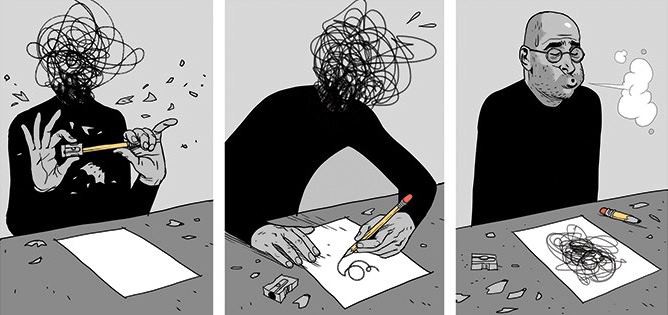
Freud believed the conscious mind is like a censor, and when we sleep repressed emotions re-surface. I am inspired to exercise these methods within my upcoming workshop with the yr 1 students, I feel by combining a range of these techniques along with the research from my interviews, I’m enabled to conduct a highly beneficial class that will provide my work with great primary research and in depth visual inspiration.