
Northenden’s Past
I felt it was important to gather a variety of information surrounding the history and heritage of the villiage, I decided to break my research up into a series of bullet points for clear understandable reference. I will use this research as the contextual basis of my concept on northenden’s identity while drawing visual inspiration from my primary research.
History Research
Northenden has always been known as part of the County, Cheshire. Northenden was formerly a rural township and is now a suburban electoral ward of the Manchester city, (Northwest) UK, its population reached over 14,000 in 2011. The area is one of several districts in Wythenshawe, bound between districts of Didsbury to north Gately to the east and the remaining of Wythenshawe to the west and south. It lies on the south side of both the River Mersey and M60 Motorway, 5.2 miles south of Manchester’s city centre.
- Northenden was able to remain untouched by the industrial revolution during the nineteenth century, its location was distant enough from Manchester to avoid no more industrialisation other than a cottage industry in flax spinning.
- In 1931, Northenden became a district of Manchester developing into an appealing riverside township for Manchester’s wealthier managers, tradesmen and clerks.
- During the 1980’s Northenden became part of the Mersey Valley Park, the river banks shape and form areas of the Mersey Valley Trail.
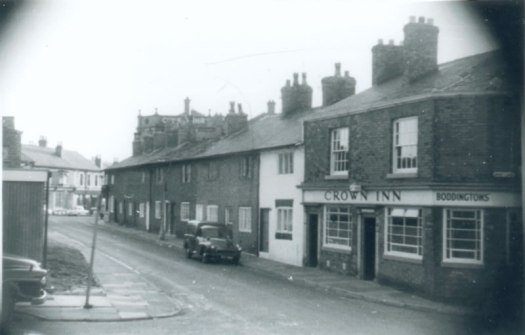
- Architectural development through Victorian and Edwardian tradition provides the village with much of its historic significance and character.
- Between 1866 and 1964, Northenden railway station served between Sharston road and Longley lane while passenger trains from Stockport, Warrington and Liverpool provided stops here.
- Northenden, while known as a village was submerged in suburban housing during the first half of 20th century this was due to the large development of Wythenshawe’s housing estate.
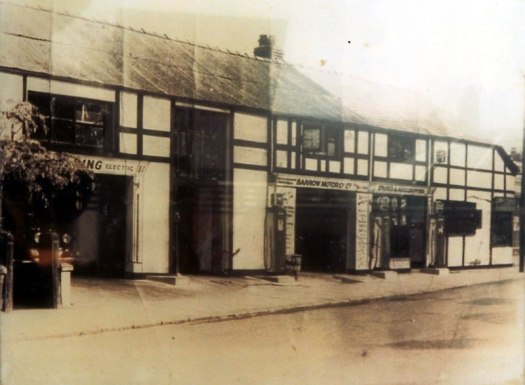
- The centre of Northenden was formerly Church Road, soon developing a brand new range of services and a shopping centre along palatine Road to supply the new estate with small businesses, schools, hotels, service industries and a cinema, later in the 1960’s opened a larger shopping centre along with various amenities in central Wythenshawe balancing demands of the estate.
- The cinema during the 1930’s was known as the northern Forum, in the 1960’s the Grade II listed 1935 Art Deco building was transformed into the Jehovah’s Witnesses Assembly Hall that still stands today.
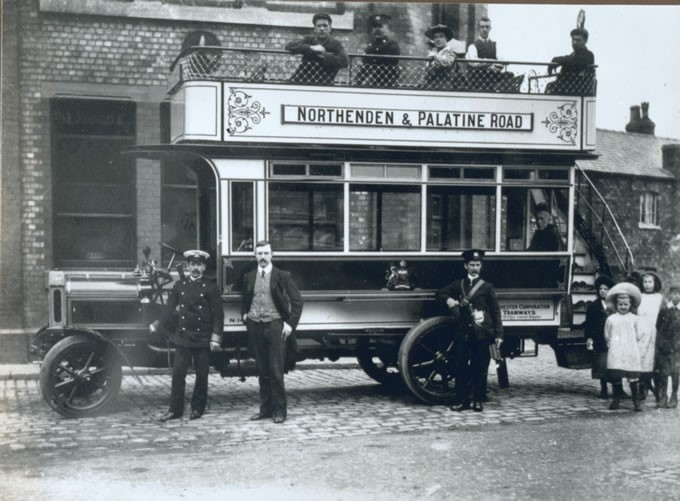
- Palatine road was a new road during the 20th century, built to connect Northenden and the south of the Mersey to Manchester.
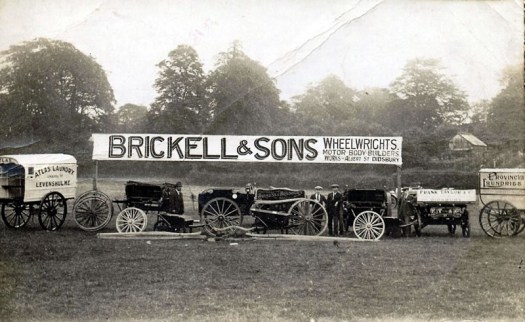
- Northenden was known as a rural village even during the 20th century, the mass of market gardens supplied Manchester with fresh groceries while clerks and managers were able to occupy the quality semi-detached homes for a flexible commute to the city.
- During the 20th century Northenden, people travelled via tram and horse-drawn bus
 FAYE TIKIC